
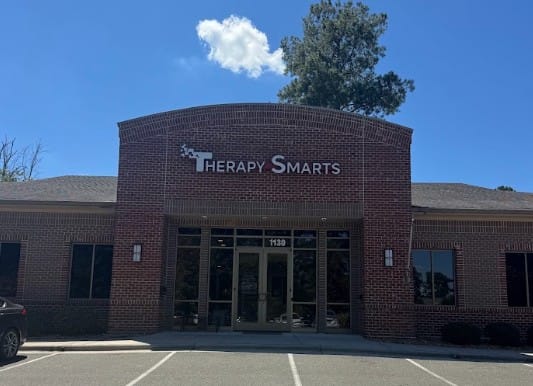
When your child needs occupational therapy, finding the right provider matters as much as finding any provider. The quality of pediatric OT varies significantly between practitioners, and the fit between therapist and child dramatically affects engagement, progress, and outcomes.
Occupational therapy in Chapel Hill NC is available through multiple settings: hospital-based programs, school-based services, private practice, and early intervention. Each setting has different eligibility requirements, service structures, and areas of focus. Understanding the differences helps families find the right match for their child’s specific needs.
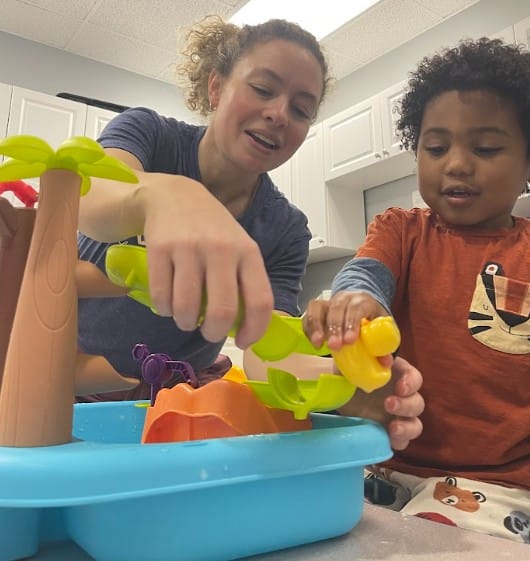
What Pediatric Occupational Therapists Treat
Occupational therapists work on the skills children need to participate fully in daily activities, which is why it’s called occupational therapy: a child’s “occupations” are the activities that define their daily life, including play, self-care, school tasks, and social interaction.
In pediatric practice, OT commonly addresses: fine motor delays (handwriting, scissors, buttoning, using utensils), sensory processing difficulties (over-sensitivity or under-sensitivity to sensory input that affects behavior and daily function), visual-motor integration (the eye-hand coordination required for writing, drawing, and many play activities), self-care skills (dressing, grooming, feeding), and school participation challenges related to attention, motor planning, or behavioral regulation.
Many children referred to pediatric OT have developmental diagnoses including autism spectrum disorder, ADHD, developmental coordination disorder, or sensory processing disorder. Children with medical conditions including prematurity, Down syndrome, or cerebral palsy may also require OT services as part of their overall care plan.
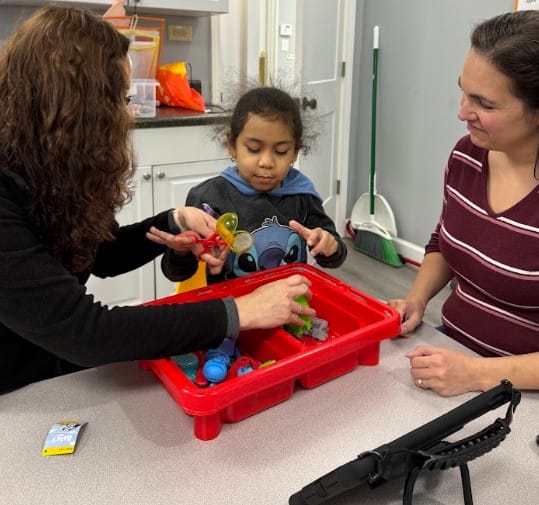
What to Look for in a Pediatric OT in Chapel Hill
Relevant pediatric experience. Not all OTs specialize in pediatrics. Ask specifically about the therapist’s caseload: what percentage are children, what age ranges they see most, and what presenting concerns they have the most experience treating. A therapist who primarily works with adults in a rehabilitation setting is less suited to a preschooler with sensory processing challenges than one who has spent a decade in pediatric practice.
Assessment approach. A competent pediatric OT should conduct a comprehensive evaluation using standardized assessment tools before developing a treatment plan. Ask which assessments the therapist uses and how they explain the results to families. Common standardized tools in pediatric OT include the Bruininks-Oseretsky Test of Motor Proficiency (BOT-2), the Sensory Processing Measure (SPM), the Beery-Buktenica Developmental Test of Visual-Motor Integration, and the School Function Assessment.
Family involvement. Effective pediatric OT doesn’t happen only in the therapy session. The skills children develop in therapy must be practiced and supported at home and in the school environment. A therapist who involves parents in goal-setting, trains them on home strategies, and communicates regularly with schools is more likely to produce lasting change than one who works exclusively in the session.
Communication and transparency. Can the therapist explain in clear terms what they’re working on and why? Do they share progress data with families? Do they communicate realistic timelines? Families should understand what the therapy is targeting, what progress looks like, and when the child might be ready to discharge.
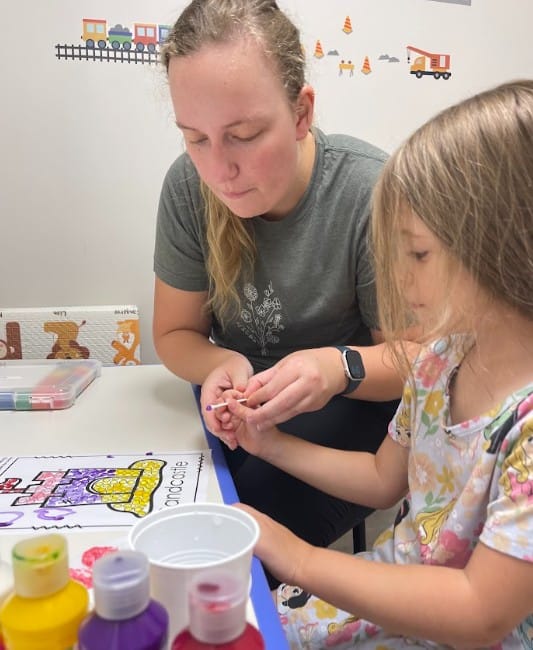
Private Practice vs. School-Based OT in Chapel Hill
Children who qualify for special education services in NC public schools may receive OT through their IEP, funded by the school district. School-based OT is focused specifically on skills that affect educational performance, which means it may not address all of the child’s OT needs if some areas aren’t considered educationally relevant.
Private practice OT, like Therapy Smarts’ services in Chapel Hill and the Triangle, addresses the full range of a child’s occupational therapy needs, including goals that aren’t directly tied to academic performance. For children whose needs extend beyond what school-based services provide, or who need more intensive services than the school can offer, private OT is an important complement.
Many children receive both: school-based OT during the school week and private OT for the goals and intensity that school services don’t cover.
Therapy Smarts’ Pediatric OT Program in Chapel Hill
Therapy Smarts provides pediatric occupational therapy across the Triangle, including Chapel Hill, Raleigh, Durham, and surrounding areas. Our OTs specialize in children with autism spectrum disorder, sensory processing challenges, developmental delays, and related conditions, serving children from toddler age through adolescence.
Treatment is play-based, child-led, and naturalistic wherever possible: we work with children in ways that feel engaging and motivating rather than clinical and effortful. Our therapists involve parents in every phase of treatment, from initial goal-setting through home program development and regular progress review.
For families in Chapel Hill looking for occupational therapy for their child, Therapy Smarts welcomes evaluation referrals and informational inquiries from parents who want to understand whether OT is the right next step for their child.
Frequently Asked Questions About Pediatric OT in Chapel Hill NC
How do I get a referral for occupational therapy for my child?
Most pediatric OT providers, including Therapy Smarts, accept self-referrals from parents without requiring a physician referral first. A pediatrician referral is sometimes helpful for insurance purposes and provides useful medical context, but it’s not required to schedule an evaluation. Contact Therapy Smarts directly to discuss your child’s concerns and schedule an initial evaluation.
What should I bring to my child’s OT evaluation?
Bring any prior evaluation reports (psychological assessments, school evaluations, medical records relevant to the presenting concerns), your child’s IEP if one exists, and any notes you’ve made about the specific challenges your child faces in daily activities. The more context the therapist has about your child’s history and current function, the more efficiently the evaluation can identify the relevant areas for assessment.
Does my child’s insurance cover occupational therapy?
Most commercial insurance plans cover occupational therapy services with appropriate medical necessity documentation. Insurance coverage typically requires a diagnosis code that justifies OT as medically necessary. Therapy Smarts verifies insurance benefits before starting services and provides families with a clear breakdown of coverage and expected out-of-pocket costs. NC Medicaid also covers OT services for eligible children.
How long are OT sessions and how often will my child need to attend?
Individual OT sessions at Therapy Smarts are typically 45 to 60 minutes. Frequency recommendations vary based on the child’s goals and severity of needs: children with significant delays often benefit from 2 to 3 sessions per week initially, while those with milder or more focused goals may progress well with weekly sessions. The therapist will discuss recommended frequency at the evaluation and adjust based on progress over time.
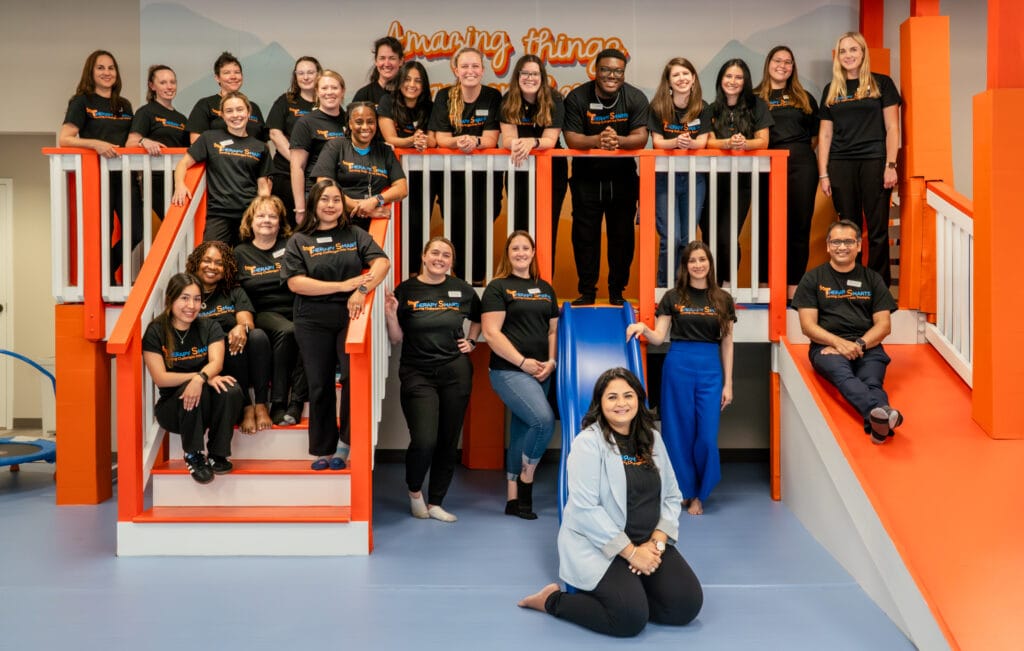
Triangle Parents Partner With Us for Their Child’s Development
Pediatric occupational therapy is one of the most impactful early interventions available for children with developmental differences, motor challenges, or sensory processing difficulties. Finding a skilled, experienced OT who involves the family and communicates clearly is the foundation of a successful intervention experience.
Therapy Smarts welcomes evaluation referrals for children across the Triangle. If you’re wondering whether OT is right for your child, a consultation conversation costs nothing. We’ll help you understand whether evaluation makes sense and what the path forward would look like.
The right OT makes a real difference. Therapy Smarts is committed to being that for every child we serve. Families who start with an evaluation leave with clarity, and clarity is the first step to real help.
Getting started is easier than you might think:
Reach Out: Give us a call or fill out our online form. Our friendly team will listen to your concerns and answer your questions without any pressure. Schedule an Evaluation: We will match your child with the right specialist to figure out exactly where they need support.
Come See Us in Durham or Chapel Hill
Don’t wait to get the answers you need. The sooner you begin, the faster you will see your child grow, and succeed.