
Mealtimes get hard for a lot of families around Durham and Chapel Hill. Dinner turns stressful, sometimes into a nightly battle, and you are left wondering what changed. Maybe your child eats only a handful of foods, and that short list keeps getting shorter.
Kids do go through picky phases. The tricky part is that some of those phases pass on their own, and others are a sign of a real problem with eating. This guide looks at both, and it walks through what feeding therapy actually does for a child who needs real help.
What feeding therapy is
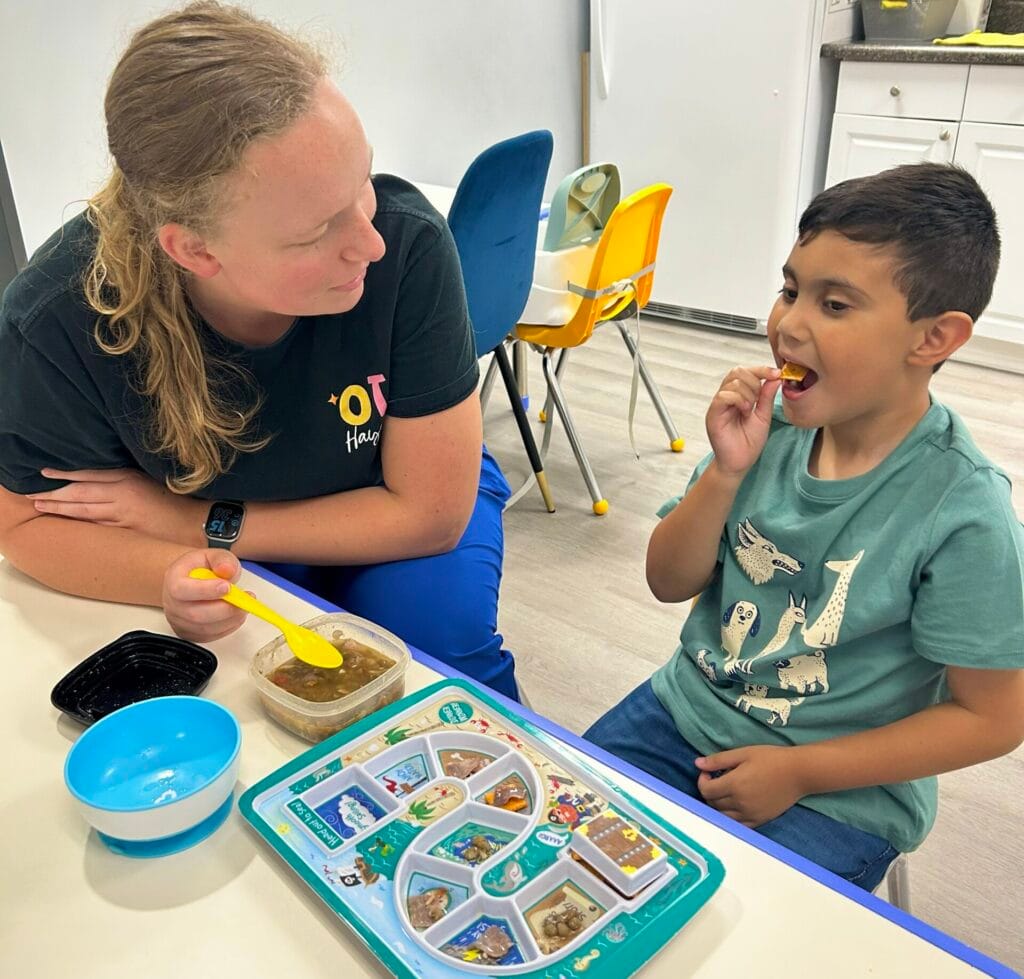
Pediatric feeding therapy helps children who struggle to eat or drink. That struggle shows up in different ways: gagging on certain textures, sticking to only crunchy foods, coughing during meals, or taking so long to eat that dinner drags on for an hour.
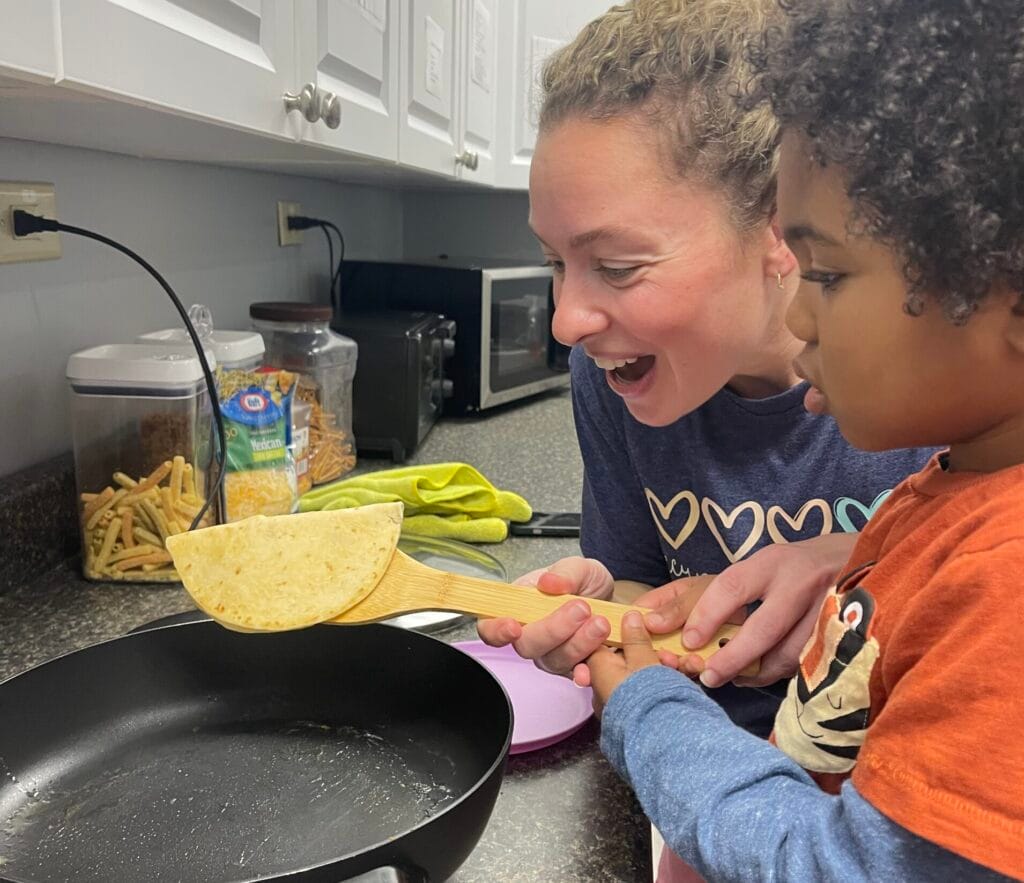
A therapist, usually a pediatric occupational therapist or a speech-language pathologist, works with your child to build the skills and the comfort that eating takes. The sessions are playful on purpose. Push a child who already feels anxious about food and they only dig in harder, so a good therapist starts wherever the child is and grows from there, one food and one small win at a time.
This is not about making a picky eater clean the plate. It goes after the reasons a child avoids food in the first place.
The difference between picky eating and a feeding problem
Picky eating is normal for young kids. A typical picky eater still takes in enough to grow, warms up to new foods after seeing them a few times, and mostly eats what the rest of the family eats. That kind of pickiness usually fades on its own.
A feeding problem does not fade, and it tends to shrink a child’s world instead of widening it. A child with a real feeding disorder might eat fewer than twenty foods total, and those foods often drop off the list one by one with nothing new taking their place. The sight or smell of a certain texture can set off a meltdown, and being pushed to try something new can end in gagging or vomiting. In the more serious cases, these patterns start to affect a child’s growth and health. When eating stops being a nuisance and starts being limiting, that is the line where therapy helps.
Signs your child might need feeding therapy Heading Text Here
Every child is different, but some patterns come up again and again in kids who benefit from feeding therapy. See if any of these sound like your child.
- Your child eats a very small number of foods, often under twenty, and the list keeps shrinking instead of growing.
- Certain textures make your child gag, spit, or throw up, and they cannot get past it.
- Meals routinely end in tears or a full battle that wears everyone out.
- Whole food groups are off the table, like every vegetable, or anything that is not crunchy.
- Your child is losing weight, not gaining the way they should, or your pediatrician has raised a concern about growth.
- Chewing or moving food around the mouth is still hard at an age when it should come more naturally.
- Coughing, choking, or trouble swallowing shows up during meals.
- Eating takes a very long time, or your child avoids eating around other people.
If several of these ring true, it does not mean you did something wrong. It means your child’s body or sensory system needs a little help learning to eat, and that help is out there.
How feeding therapy works
It starts with an evaluation. On that first visit, the therapist mostly watches: how your child eats, how they react to the look and smell and feel of different foods, how well they chew and swallow. They will ask about your child’s eating history and growth. Nothing gets forced. The point is to figure out what is really getting in your child’s way before anyone builds a plan.
From there, the therapist builds that plan around your child, not around a template. One common approach is food chaining, which bridges a child from a food they already accept to a new one that looks or tastes similar. Another is sensory play, where a child gets to explore a food with no pressure to eat it. A child might begin by just letting a new food sit on the plate. Later they touch it. Later still they bring it to their lips, then taste it. Each of those steps is a genuine milestone, even if none of them look like much from the outside.
You are part of this too. The therapist coaches you to carry the same calm, low-pressure tone into meals at home, because the kitchen table is where most of the lasting change happens. Progress that stays in the clinic and never makes it home does not do much good.
Does feeding therapy really work
For most kids, it does. How fast depends on the child and on what is driving the struggle, but families usually see their child accept a wider range of foods, sit through meals more calmly, and let go of the fear that used to hang over every plate. Because the whole approach moves at the child’s pace, the gains tend to hold instead of snapping back the moment therapy ends.
It helps to be realistic, though. A child who has eaten the same ten foods for years is not going to fall in love with broccoli in a week. What feeding therapy offers is steady, durable progress and mealtimes that feel calmer for everyone at the table.
Is feeding therapy covered by insurance
It depends on your plan, but many policies do cover feeding therapy when it is medically necessary, especially once a doctor or therapist documents a feeding disorder or a swallowing concern. The most reliable move is to call your insurance provider and ask specifically about coverage for pediatric feeding or swallowing therapy. Then ask the clinic what documentation they provide. A good provider will help you work through this instead of leaving you to sort it out alone.
When to reach out for help
If meals have become a daily fight, if your child’s food list is shrinking, or if your pediatrician has flagged something about growth or swallowing, get your child evaluated. Earlier help usually means faster, easier progress, and there is no cost to simply asking a professional whether therapy makes sense for your family. For families in Durham, Chapel Hill, and the towns around them, that help is close by.
At Therapy Smarts, our team works with kids across the area to build the skills and the confidence to eat well. If any of the signs above sounded like your child, reach out and schedule an evaluation. Calmer, healthier mealtimes can start there.