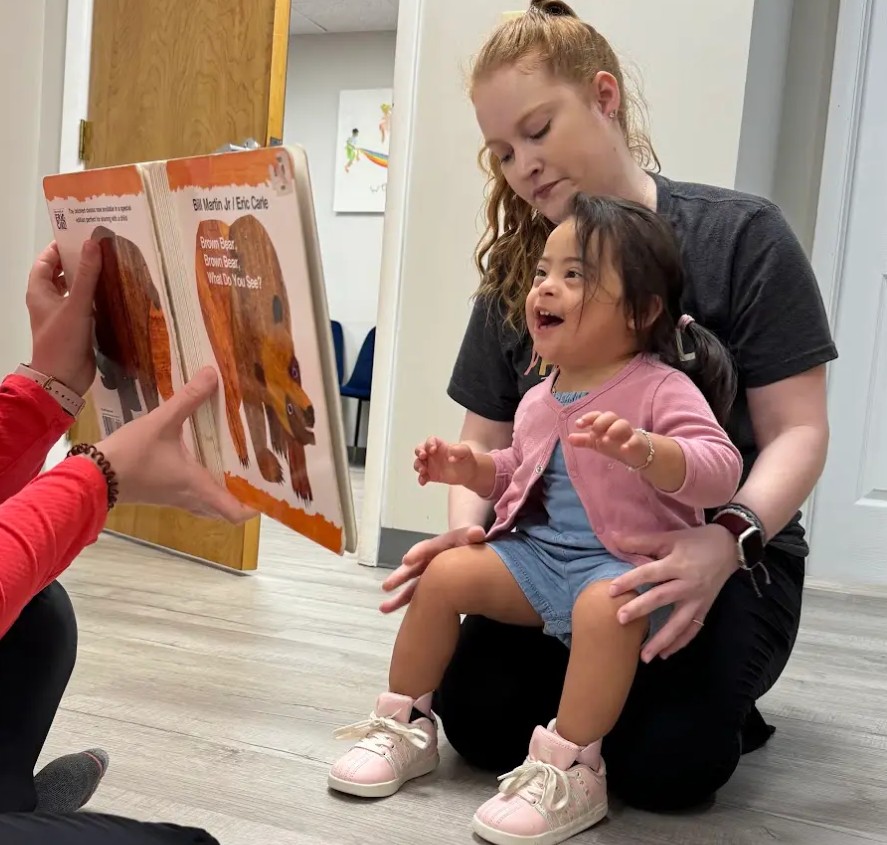
Raising a child with Down syndrome comes with unique joys—and unique challenges. One of the most powerful tools parents have is early intervention, a proven approach that supports a child’s growth during the most critical developmental years. From improving motor skills to strengthening communication and independence, early therapeutic support can make a meaningful difference in a child’s long-term abilities and confidence.
At Therapy Smarts, we believe that every child deserves the opportunity to thrive with compassion-centered, research-backed intervention strategies.
In this guide, we break down the most effective early treatment options—Physical Therapy, Speech-Language Therapy (SLP), Occupational Therapy (OT), and Feeding Therapy—so parents can feel empowered, informed, and supported throughout their child’s developmental journey.
Why Early Intervention Matters for Children With Down Syndrome
Children with Down syndrome often experience differences in muscle tone, coordination, speech development, feeding skills, and sensory processing.
According to research from the American Speech-Language-Hearing Association (ASHA), early support can significantly improve communication outcomes, social interaction, and overall development.
Because the brain is most adaptable during early childhood, starting therapy before age three helps build strong foundational skills in movement, communication, self-help abilities, and cognitive development. Early intervention is not just helpful—it’s transformative.
How Physical Therapy Supports Early Development
Building Strength, Balance & Mobility
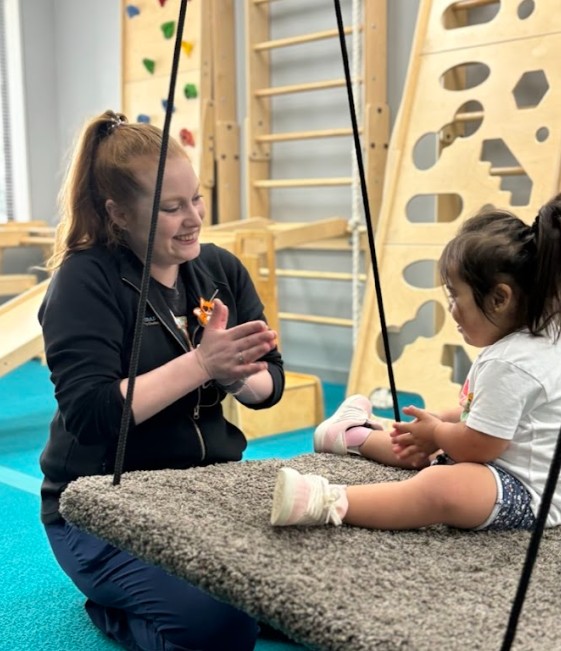
Physical Therapy plays a crucial role in supporting babies and young children with Down syndrome. Since low muscle tone (hypotonia) and joint flexibility can make early motor skills more difficult, PT helps children build the strength, coordination, and postural control they need for everyday activities.
A Physical Therapist helps children learn skills such as:
- Rolling, crawling, and sitting
- Standing and walking
- Improving balance and coordination
- Developing safe movement patterns
Therapists also address orthopedic concerns—such as ligament laxity or foot alignment—that tend to be more common in children with Down syndrome.
Parent-Centered Support You Can Use at Home
At Therapy Smarts, PT sessions are designed to empower families. Your therapist will model fun, developmentally appropriate exercises and provide easy routines you can practice daily with your child. With consistency, early Physical Therapy can build confident movers who are ready to explore their world.
Strengthening Communication Through Speech-Language Therapy (SLP)
Supporting Speech, Understanding & Social Interaction
Many children with Down syndrome benefit from Speech-Language Therapy(SLP), which supports communication, language development, listening skills, and early literacy. Some children understand much more than they can verbally express, and SLP helps bridge that gap.
SLP may include:
- Early communication strategies (gestures, sounds, first words)
- Augmentative communication tools (signs, picture boards, simple devices)
- Oral-motor strengthening
- Building vocabulary and grammar
- Supporting speech clarity
- Enhancing social communication
According to the ASHA Speech-Language report on communication services for children, early SLP intervention can dramatically improve outcomes for language and speech development.
A Holistic, Child-Led Approach
At Therapy Smarts, therapists follow a child’s natural interests to promote meaningful communication. When therapy is playful and connected, children are far more motivated to practice new skills.
Promoting Daily Skills with Occupational Therapy (OT)
Developing Independence & Fine Motor Skills
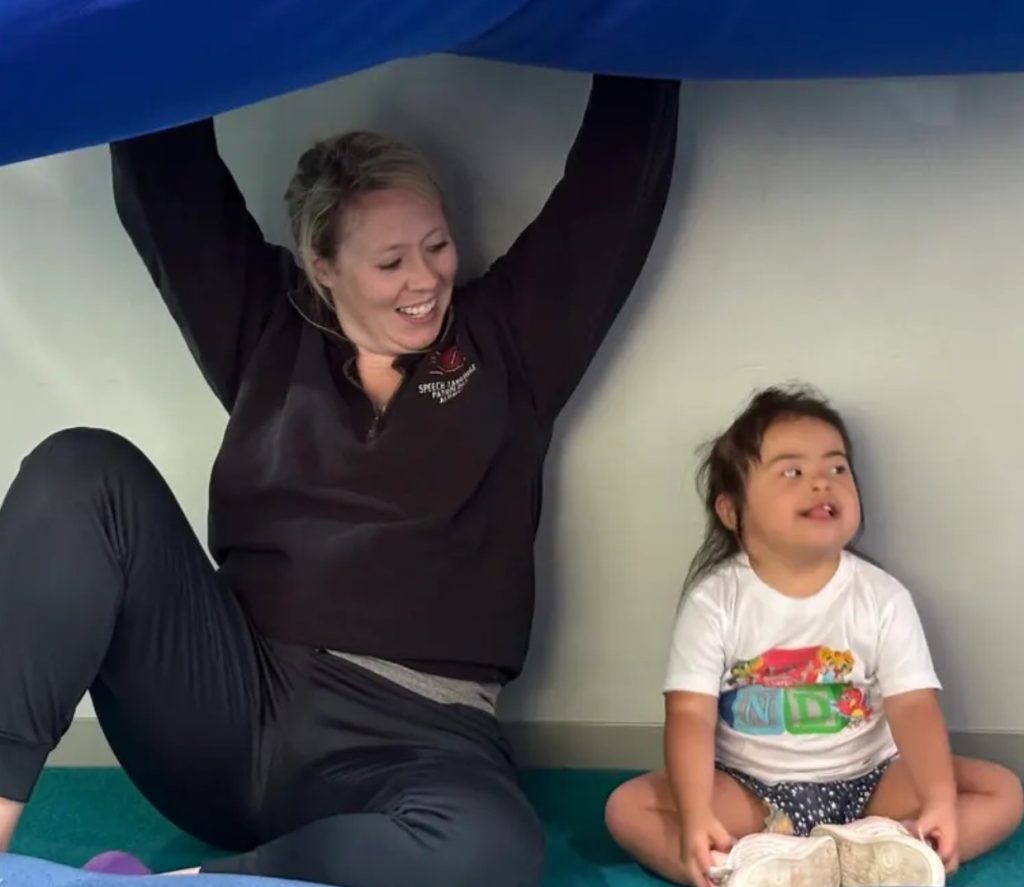
Occupational Therapy(OT) helps children build essential skills needed for everyday life—from holding a spoon to participating in classroom activities. Because children with Down syndrome may experience delayed fine motor development or sensory-processing differences, OT can help them become more independent and confident.
OT focuses on:
- Fine motor coordination (grasping, drawing, hand strength)
- Self-help skills (dressing, toileting, brushing teeth)
- Sensory integration
- Visual-motor skills
- Play skills and attention
Practical, Family-Focused Intervention
Therapy Smarts OTs help families incorporate therapy activities into routines like mealtime, bath time, or morning dressing. This creates natural opportunities for learning while reducing daily stress for parents.
Improving Nutrition & Oral-Motor Skills with Feeding Therapy
Supporting Safe Eating & Healthy Habits
Feeding challenges are common in children with Down syndrome due to low muscle tone, oral-motor coordination differences, or sensory sensitivities. Feeding Therapy helps children learn to eat safely, develop stronger chewing and swallowing patterns, and expand their food preferences.
A feeding specialist may focus on:
- Strengthening oral-motor muscles
- Improving tongue coordination
- Introducing new textures
- Transitioning from bottle to cup
- Reducing gagging or swallowing concerns
- Helping picky eaters become confident eaters
Feeding challenges can be overwhelming for families, but early support can make mealtimes calmer and more enjoyable.
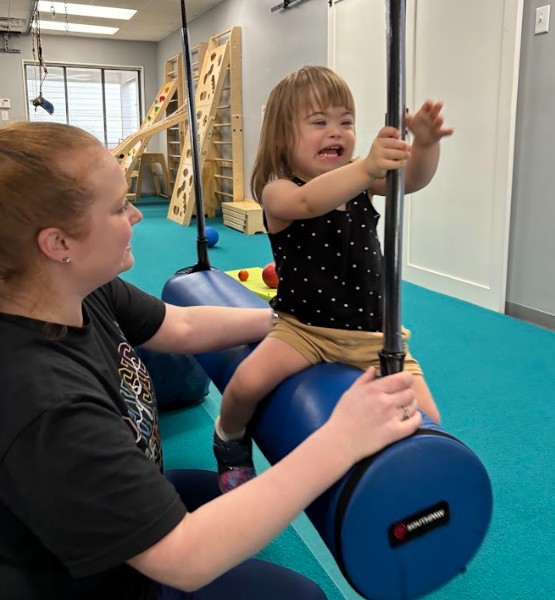
What Early Intervention Looks Like at Therapy Smarts
Therapy Smarts offers a collaborative, evidence-based model where therapists work together to support the whole child. A child may receive benefits of Speech-Language Therapy (SLP), Physical Therapy, Occupational Therapy (OT), and Feeding Therapy simultaneously—allowing skills learned in one session to naturally complement others.
Parents are active partners in every step. Sessions are playful, respectful, and centered around your child’s strengths. Most importantly, progress is celebrated, no matter how small.
Giving Your Child the Best Start Possible
Early intervention is one of the most meaningful investments a parent can make. With the right combination of Physical Therapy, Speech-Language Therapy (SLP), Occupational Therapy (OT), and Feeding Therapy, children with Down syndrome can build strong foundations for communication, mobility, independence, and lifelong confidence.
Therapy Smarts is here to walk with you through every milestone—big or small. If you are ready to explore early intervention options designed specifically for your child’s needs, reach out to our team today. Together, we’ll help your child grow, thrive, and shine.