
Why One Size Doesn’t Fit All: The Benefits of Personalized, Multidisciplinary Therapy
When a child struggles to speak clearly, understand language, or communicate confidently, it’s tempting to look for a single explanation and a single solution. But speech and language challenges rarely exist in isolation. They are often deeply connected to motor skills, sensory processing, learning styles, emotional regulation, and even cultural and linguistic background.
That’s why a “one-size-fits-all” approach to speech and language therapy often falls short.
At Therapy Smarts, we believe in treating the whole child, not just the symptoms. A multidisciplinary, personalized approach doesn’t just address speech; it supports how children move, learn, process, and connect with the world around them. This is where meaningful, lasting progress happens.
Speech and Language Development Doesn’t Occur in Isolation
Speech and language therapy is most effective when we understand why a child is struggling, not just what they are struggling with. A child who has difficulty producing sounds may also have underlying motor planning challenges. Another child with delayed language might be experiencing sensory processing differences that affect attention and engagement. Some children struggle not because of a disorder, but because they are navigating more than one language or cultural system.

Research from the American Speech-Language-Hearing Association consistently emphasizes that effective speech and language therapy for children must consider cognitive, social, emotional, and physical development together. When therapy looks at the full picture, outcomes improve, not just in communication, but in confidence, learning, and independence as well.
Culturally Responsive Care: Supporting Bilingual Families with Respect and Insight
Families in Durham and Chapel Hill represent a beautifully diverse mix of cultures, languages, and lived experiences. Yet too often, children from multilingual homes are misidentified or misunderstood when it comes to speech and language development.
At Therapy Smarts, culturally responsive care is not an add-on. It’s fundamental.
Children who grow up hearing more than one language may show differences in vocabulary, pronunciation, or sentence structure that are completely typical. The challenge is distinguishing between a language difference and a true language disorder. Without culturally informed assessment, children risk being over-diagnosed or under-supported.
Our speech and language therapy approach allows clinicians to evaluate communication skills across languages, family routines, and cultural norms. This ensures that therapy honors the child’s identity while targeting real areas of need. When families feel seen and understood, therapy becomes a partnership, not a prescription.
By embracing multilingual development and culturally responsive care, we help children build strong communication skills without asking them to leave a part of themselves behind.
From Speech to Literacy: Why Early Intervention Shapes Future Learning

Speech is not just about being understood, it’s the foundation of reading and academic success.
Children with untreated articulation challenges often struggle with phonological awareness, which is the ability to recognize and manipulate sounds in words. This skill is critical for reading, spelling, and writing. When speech sound errors persist, they can quietly evolve into literacy difficulties, including dyslexia.
Early articulation therapy does more than correct pronunciation. It strengthens sound-symbol relationships, supports auditory discrimination, and reinforces the building blocks of literacy. Addressing speech delays early can significantly reduce the risk of reading struggles later on, especially for children who are already vulnerable to dyslexia due to family history or learning differences.
At Therapy Smarts, speech and language therapy is intentionally connected to pre-literacy and literacy development. Our therapists collaborate across disciplines to ensure that progress in speech supports success in the classroom, not just today, but for years to come.
Motor Skills and Sensory Processing: The Hidden Influencers of Communication
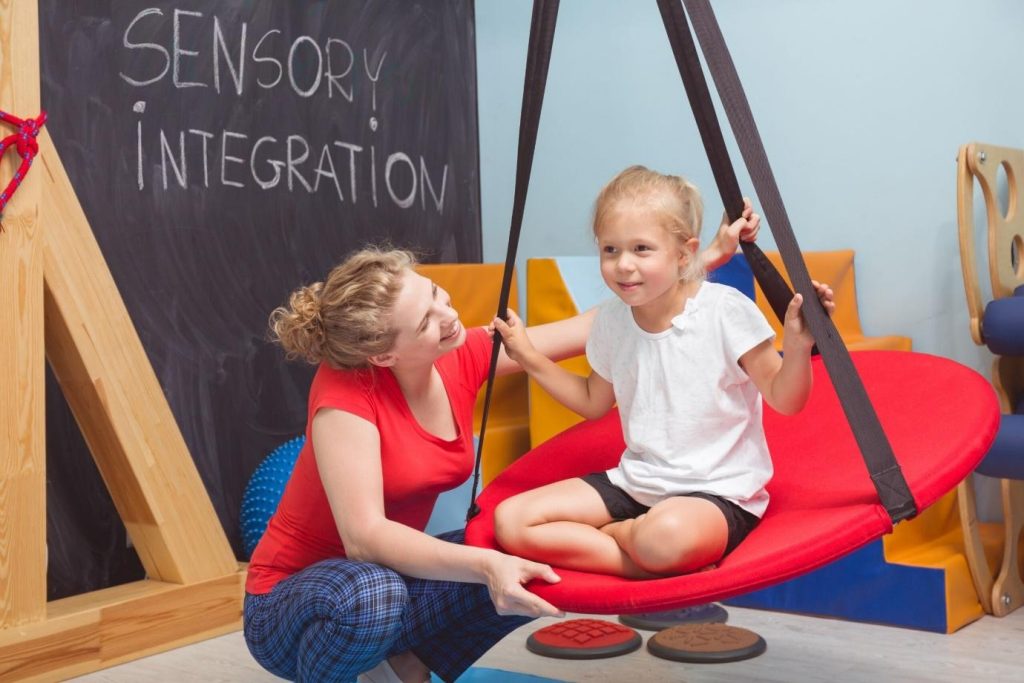
Many parents are surprised to learn that communication challenges are often linked to motor skills and sensory processing.
Speech is a complex motor task. It requires precise coordination of the lips, tongue, jaw, and breath. Children with motor planning difficulties may know what they want to say but struggle to produce the sounds consistently. Others may have sensory sensitivities that affect attention, tolerance for sound, or engagement during communication tasks.
When these underlying factors are ignored, speech therapy can feel frustrating or slow.
A multidisciplinary approach allows therapists to address sensory processing needs and motor skills alongside speech goals. This might include regulating sensory input, improving body awareness, or supporting fine and gross motor coordination—all of which directly impact a child’s ability to communicate effectively.
By supporting the systems that make speech possible, therapy becomes more efficient, more comfortable, and far more successful.
Specialized Care for Unique and Complex Needs
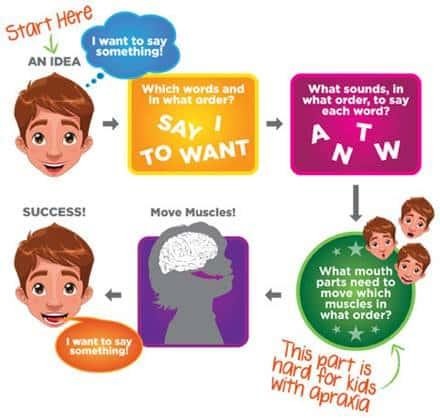
Some children require more than traditional speech therapy. Conditions such as cleft lip and palate or childhood apraxia of speech demand highly specialized expertise and coordinated care.
Children born with cleft lip and palate often face challenges related to resonance, articulation, and feeding. Effective intervention requires deep anatomical knowledge and close collaboration with medical professionals. Similarly, apraxia is a motor speech disorder where the brain struggles to plan and sequence the movements needed for speech. Progress requires intensive, individualized therapy that targets motor planning rather than repetition alone.
In these cases, a multidisciplinary team is not optional—it is essential.
At Therapy Smarts, we bring together clinicians with specialized training to ensure children with complex diagnoses receive care that is precise, informed, and compassionate. Therapy plans are tailored, progress is carefully monitored, and families are supported every step of the way.