Receiving an Autism Spectrum Disorder (ASD) diagnosis for your child can bring a mix of emotions and many questions. At Therapy Smarts, we understand this journey. Our mission is to empower children and families by “Turning challenges into triumphs one child at a time.” For children with ASD, early intervention is often the most powerful tool we have to unlock their potential and support their development.
What is Autism Spectrum Disorder (ASD)?
Autism Spectrum Disorder is a developmental condition that affects how individuals perceive and socialize with others. This can lead to differences in social interaction, communication, and behavior. As the National Institute of Mental Health (NIMH) explains, “Autism Spectrum Disorder (ASD) is a developmental disability that can cause significant social, communication, and behavioral challenges. “You can learn more about ASD from NIMH here.
The “spectrum” in ASD means that while all individuals with autism share certain characteristics, the severity and presentation of these challenges can vary widely. Some children may have mild difficulties, while others face more significant hurdles. Regardless of where a child falls on the spectrum, early and consistent therapeutic support can make a profound difference.
Why is Early Intervention So Important?
Think of a child’s brain like a rapidly growing garden. During early childhood, from infancy through preschool years, the brain is incredibly adaptable and is forming billions of connections. This period, known as brain plasticity, is a critical window for learning new skills and developing new pathways.
Early intervention capitalizes on this plasticity. By starting therapy as soon as ASD is identified (sometimes even before a formal diagnosis, if developmental delays are noticed), we can:
- Support Skill Development: Help children develop crucial communication, social, and adaptive skills during this prime learning period.
- Reduce Challenging Behaviors: Address behaviors that might hinder learning or social interaction before they become more ingrained.
- Enhance Brain Development: Encourage the brain to build connections that support desired skills and functions.
- Improve Long-Term Outcomes: Studies consistently show that children who receive early intervention tend to have better outcomes in school and in life.
Effective Early Intervention Treatment Options
At Therapy Smarts, we offer a comprehensive, collaborative approach to early intervention for ASD, tailored to each child’s unique needs. Our team of compassionate and knowledgeable providers utilizes evidence-based strategies across various disciplines:
- Applied Behavioral Analysis (ABA) Therapy: ABA is widely recognized as a highly effective, evidence-based approach for children with ASD. It focuses on understanding behavior and how it is affected by the environment. Through structured teaching and positive reinforcement, ABA helps children learn new skills (like communication, social interactions, and self-care) and reduce challenging behaviors. Our ABA therapists work closely with families to implement strategies that are consistent and effective in various settings.
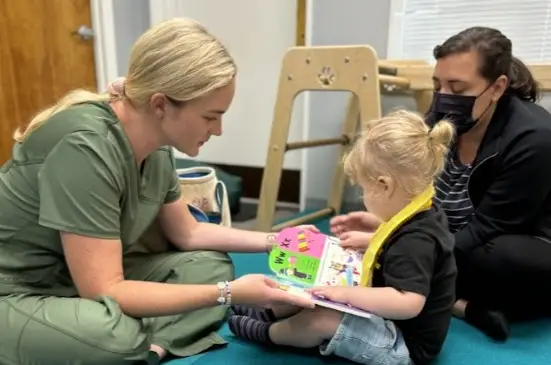
- Speech Therapy: Communication is fundamental to human connection. Our speech therapists work with children on a range of communication skills, from non-verbal cues and foundational sounds to complex language and social communication (pragmatics). Whether a child is learning to use spoken words, sign language, or an augmentative and alternative communication (AAC) device, our goal is to give them a voice.
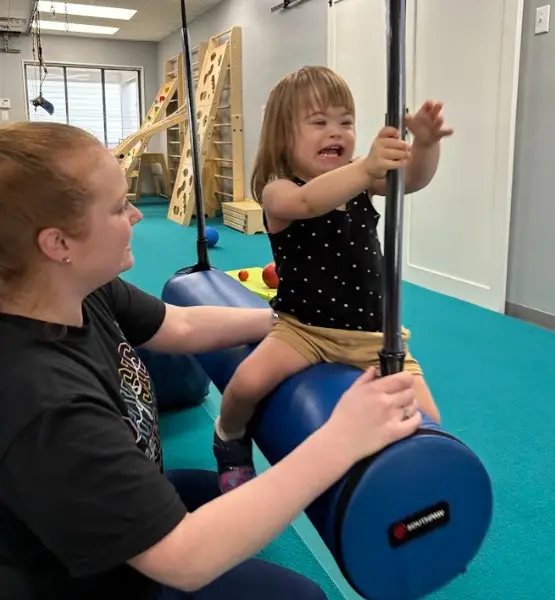
- Occupational Therapy (OT): OT helps children develop the skills needed for daily living and participation. For children with ASD, this might involve sensory integration therapy to help process sensory input more effectively, fine motor skill development for tasks like dressing or writing, or gross motor skills for coordination and play. OT empowers children to engage more fully with their environment.
- Physical Therapy (PT): Some children with ASD may experience motor delays, coordination challenges, or differences in gait. Our physical therapists focus on improving strength, balance, coordination, and overall motor skills, helping children move more freely and confidently. This can include activities to enhance playground skills, participation in sports, or simply navigating their home environment with greater ease.
- Mental Health Therapy: For some children and families navigating ASD, mental health support can be invaluable. Our mental health therapists offer strategies to cope with anxiety, manage emotions, and build resilience.
Your Partner in Progress: Therapy Smarts
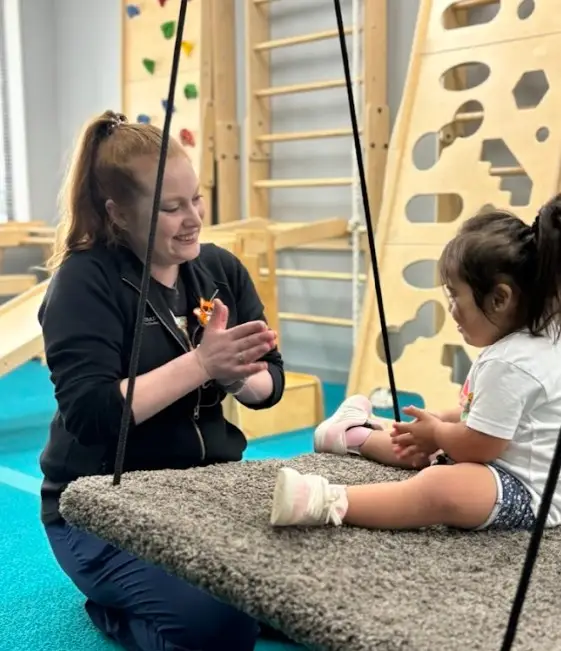
At Therapy Smarts, we believe in a collaborative, family-centered approach. We work hand-in-hand with parents, guardians, and other caregivers, providing training and support so that therapeutic strategies can be integrated into daily routines at home and school. We aim to be the outpatient provider, employer, and partner of choice, always striving for excellence and fostering a warm, loving, and FUNctional environment where every milestone is celebrated.
If you have concerns about your child’s development or if your child has recently received an ASD diagnosis, contacting us to begin exploring early intervention options is a proactive step toward a brighter future.
Visit our Pediatric Autism Spectrum Disorder page to learn more about our specific approach and how we can support your child.