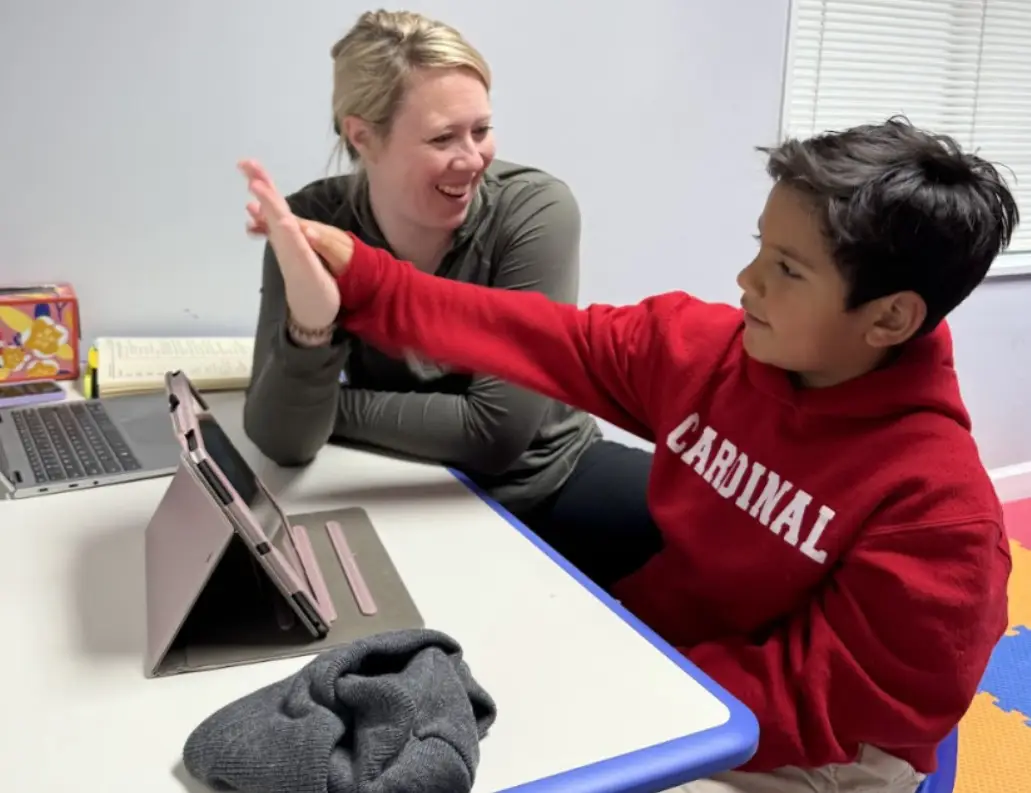
Dyslexia is often described as a reading disorder, but for many children, the struggle goes far beyond letters and sounds. It affects confidence, self-esteem, and the way a child sees themselves in school and social environments.
Children with dyslexia are bright, capable, and creative—but when reading feels hard, they often begin to believe they are the problem. Early therapy does not just improve reading skills—it rebuilds confidence, strengthens emotional well-being, and helps children feel successful again.
This article explores how dyslexia impacts a child’s emotional world and how pediatric dyslexia therapy can change the trajectory of their academic and personal life.
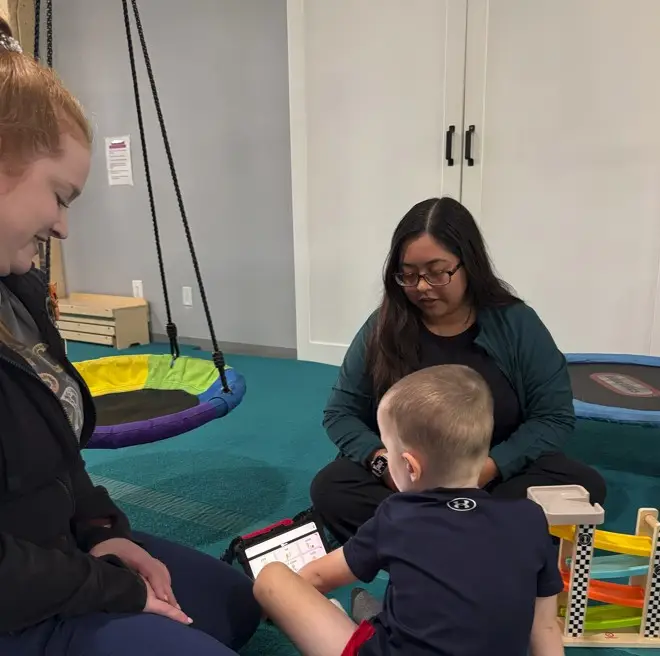
What Is Dyslexia? (Parent-Friendly Explanation)
Dyslexia is a language-based learning difference that affects a child’s ability to read, spell, decode words, and connect letters with sounds. It is not a vision issue or an intelligence issue—children with dyslexia are just as smart as their peers.
The International Dyslexia Association (IDA) defines dyslexia as a neurological reading difference that often runs in families and affects reading fluency and accuracy. Because reading is linked to almost every subject in school, dyslexia can create academic stress long before a child fully understands what they’re experiencing.
The Emotional Side of Dyslexia: What Children Don’t Always Say Out Loud
According to the Child Mind Institute, children with untreated learning differences are far more likely to experience frustration, anxiety, and low academic self-esteem. Children with dyslexia often:
- Compare themselves to classmates
- Feel embarrassed when reading out loud
- Worry about disappointing parents or teachers
- Believe they are “not smart”
- Avoid schoolwork or reading assignments
- Become anxious around tests or class participation
By the time dyslexia is identified, many children have already internalized the belief that “something is wrong with them.” That emotional weight is often heavier than the reading difficulties themselves.
How Dyslexia Affects Confidence & Self-Esteem
1. Repeated Academic Struggles
Imagine trying your hardest every day, yet falling behind no matter how much effort you put in. Many children with dyslexia describe feeling “slow,” “dumb,” or “different,” even though dyslexia has nothing to do with intelligence.
Yale Center for Dyslexia & Creativity explains that children with dyslexia often have strong reasoning, problem-solving, and creative strengths—but schools sometimes overlook these abilities.
2. Social Pressure and Classroom Anxiety
Children are very aware of how they compare to peers. Struggling to read out loud or needing extra time on assignments can make a child feel singled out or ashamed.
3. Negative Labels from Adults or Peers
Even well-meaning teachers or family members may misinterpret struggles as laziness or lack of effort. This can deeply impact a child’s self-image.
4. Avoidance Behaviors
Some children with dyslexia begin:
- Avoiding reading assignments
- Pretending they’re “too tired” to study
- Acting out in class
- Rushing through work to hide difficulty
- Saying “I hate school” at an early age
These behaviors usually stem from emotional protection—not defiance.
5. Long-Term Impact on Identity
Without support, dyslexia can shape how a child sees their entire academic future. Children may believe certain goals (college, careers, leadership roles) are “not for them.”
But here’s the good news: with early intervention, the emotional impact of dyslexia can be reversed.
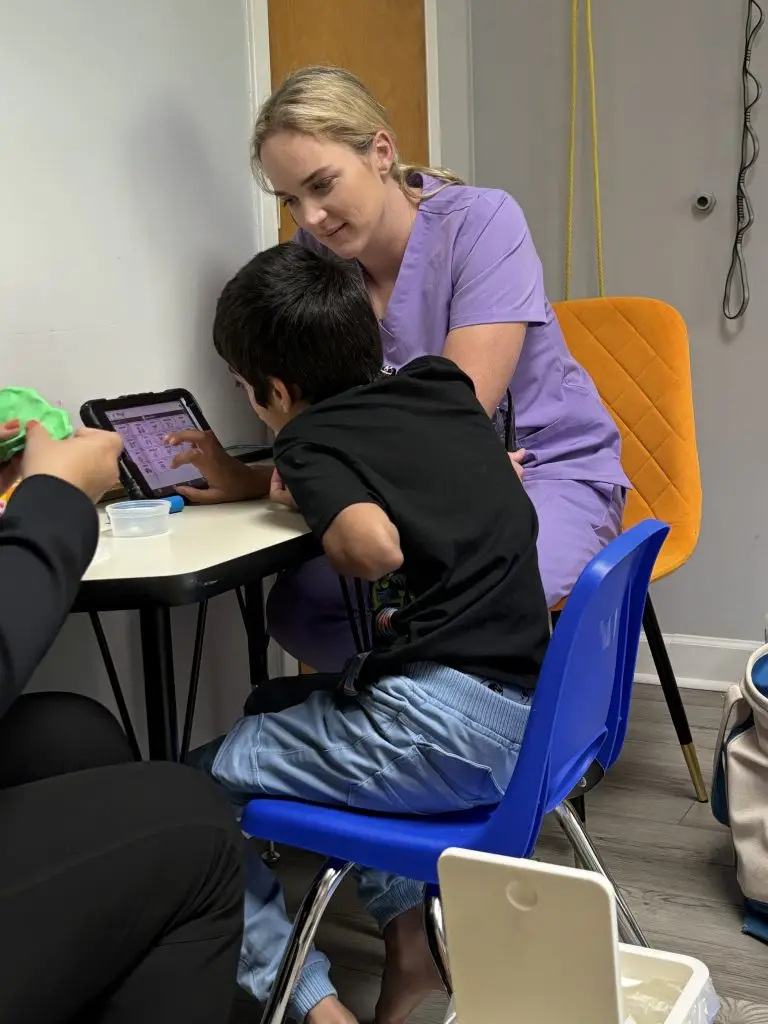
How Pediatric Dyslexia Therapy Helps Rebuild Confidence
Dyslexia therapy focuses on more than reading—it restores a child’s belief in their abilities, one step at a time.
A structured, evidence-based approach such as Orton-Gillingham or multisensory reading therapy helps children learn in a way that makes sense to their brain. When reading finally clicks, confidence grows quickly.
Effective dyslexia therapy includes:
✔ Multisensory Instruction
Children learn through touch, sight, sound, and movement.
✔ Explicit, systematic phonics instruction
Breaks reading into small, manageable steps.
✔ Personalized pacing
Children progress at a rate that matches their learning profile.
✔ Emotional support & encouragement
Therapists validate feelings and celebrate wins.
✔ Skill-building that aligns with schoolwork
So children experience real success in the classroom—not just in therapy.
Signs Your Child’s Confidence Is Being Affected by Dyslexia
Parents often notice emotional signs before academic ones.
Look for:
- “I can’t read” or “I’m just bad at school” comments
- Anxiety before school
- Avoiding homework
- Low frustration tolerance
- Declining interest in books
- Meltdowns during reading tasks
- Perfectionism or fear of making mistakes
If you’re seeing these signs, support is not only helpful—it is essential.
Why Early Intervention Matters for Emotional Health
According to the CDC, early therapy and early accommodations have the strongest impact on long-term reading and social success. Early intervention:
- Prevents years of academic frustration
- Protects self-esteem during crucial developmental years
- Helps children keep up with classroom expectations
- Reduces anxiety and school avoidance
- Builds a positive relationship with learning
- Helps children feel capable and proud of their progress
When children receive help early, they grow up feeling confident, successful, and motivated.

What Pediatric Dyslexia Therapy Looks Like
Following the Therapy Smarts style layout, here’s a parent-friendly breakdown:
1. Comprehensive Evaluation
Therapists assess:
- Phonological awareness
- Sound-letter recognition
- Reading fluency
- Memory and processing skills
- Writing patterns
- Comprehension
- Language and Articulation Skills
This helps create a personalized therapy plan.
2. Multisensory Reading Instruction
Your child learns using:
- Tapping out Sounds or Segmenting Sounds
- Tracing
- Letter tiles
- Visual cues
- Verbal repetition
- Movement-based activities
These build strong neural connections.
3. Structured Literacy Approach
A systematic method that builds reading skills step by step.
4. Confidence-Building Through Strenght- Based Approach
Therapists set small, achievable goals so children feel proud and motivated.
5. Collaboration With Schools & Parents
- Shared goals
- Classroom strategies
- Homework support
- Accommodations like extra time, audio books, or reduced reading load
6. Emotional Support Embedded Into Sessions
Therapists help children understand that dyslexia is not a limitation—it’s simply a different way of learning.
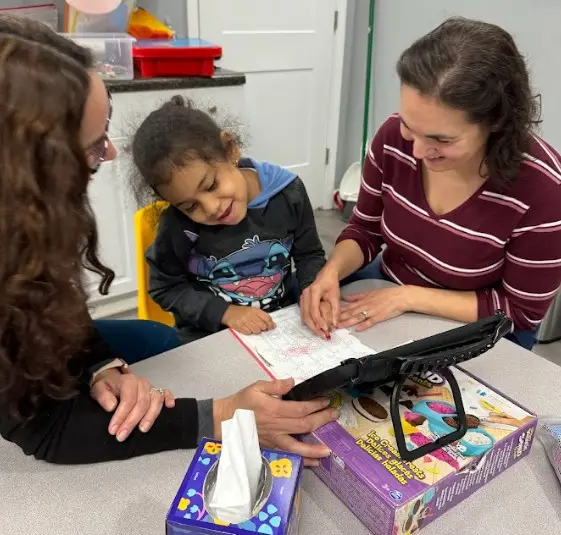
The Transformation: What Success Looks Like
Over time, children receiving dyslexia therapy often show:
Academic Changes
- Improved reading accuracy
- Stronger comprehension
- More confidence participating in class
Emotional Changes
- Better self-esteem
- Reduced anxiety
- Willingness to try new tasks
- Positive attitude toward school
Behavioral Changes
- More patience with homework
- Less avoidance
- Greater independence
Most importantly, children begin to believe:
“I can do this.”
A Child With Dyslexia Can Succeed—Beautifully
Dyslexia does not define a child’s intelligence or future. With the right therapy, the right support, and the right environment, children with dyslexia become:
- Leaders
- Creators
- Inventors
- Problem-solvers
- Confident learners
Your child is capable of extraordinary things—and early therapy helps unlock those strengths.
Our Specialized Services
Every child possesses a unique set of talents and a distinct way of seeing the world. Sometimes, however, hurdles like dyslexia or speech and language delays can make it difficult for those natural strengths to shine. At Therapy Smarts, we believe that these challenges aren’t roadblocks—they are simply opportunities to provide the specialized support your child needs to thrive. We offer a compassionate, evidence-based approach to pediatric care, focusing on:
Pediatric Dyslexia: Tailored reading and writing interventions designed for the way your child’s brain learns best.
Speech & Language Therapy: Providing effective reading strategies to support children with dyslexia can significantly improve their reading, language, and articulation skills.
Visit Our Local Clinics
If you are looking for a partner in your child’s developmental journey, we are here to help. We proudly serve families across the Triangle with two convenient locations:
- Durham, NC
- Chapel Hill, NC
Get Started Today
Your journey toward clearer communication and confident reading begins with a simple conversation. To learn more about our programs or to schedule an evaluation:
- Visit us online: Therapy Smarts
- Call us directly: 919-378-1340