
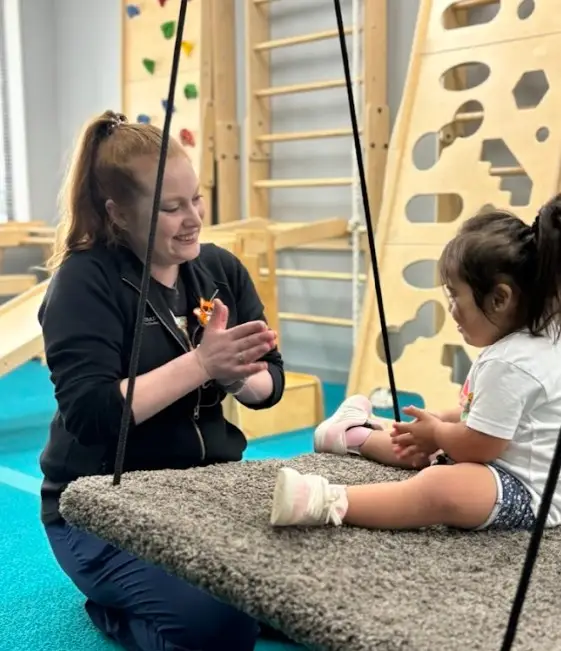
As parents, we’re always watching, learning, and sometimes, worrying. Every child develops at their own pace, and it’s natural for kids to go through different “phases.” But what happens when those little quirks or delays start to feel like something more? When your gut tells you something might be different, it’s a powerful signal—and it’s absolutely worth exploring.
At Therapy Smarts, we meet incredible families every day who’ve started their journey with that very feeling. Our mission is to empower children and families by “Turning challenges into triumphs one child at a time.” For many, that triumph begins with simply understanding what’s going on.
Here are 5 common signs that might suggest your child could benefit from an early evaluation for Autism Spectrum Disorder (ASD), along with what you can do next.
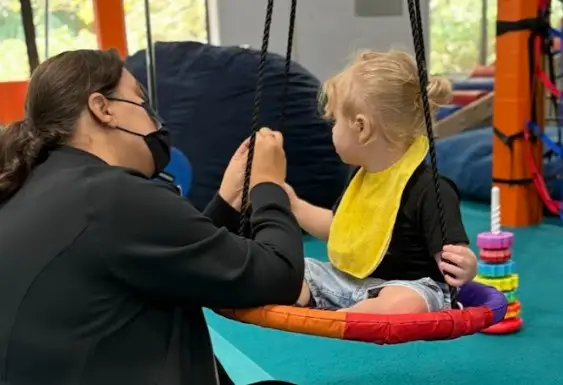
Is Your Child Showing These Signs?
It’s important to remember that every child is unique, and no single sign means a diagnosis. However, observing a combination of these behaviors, especially if they are persistent or significantly different from their peers, can be an indication to seek professional guidance.
- “Why Isn’t My Child Talking Like Others?” (Communication Concerns)
- One of the most common worries we hear is about communication. You might notice your child isn’t using as many words as other children their age, or they’re not combining words into phrases. Perhaps they struggle to imitate sounds or words, or they’ve even stopped using words they once knew.
- Beyond spoken language, you might also notice they don’t always point to things they want, or they struggle to follow simple directions.
- “Why Are Meltdowns So Intense and Frequent?” (Behavioral & Emotional Regulation)
- All kids have tantrums, but some parents describe their child’s meltdowns as unusually intense, lasting a long time, or triggered by seemingly minor changes. These might be reactions to sensory input (like loud noises or certain textures) or frustration with changes in routine.
- You might also notice repetitive behaviors, like hand-flapping, rocking, or lining up toys in a very specific way, which can be a way for children with ASD to self-regulate.
- “Do They Notice Me?” (Social Interaction Differences)
- This can be heartbreaking for parents. You might feel like your child isn’t responding to their name, or they don’t make consistent eye contact. They might prefer to play alone, not seem interested in sharing toys, or struggle with “joint attention”—which is when you both look at the same object of interest (like pointing to a bird and your child looking at it too).
- Sometimes, children might play “next to” other children rather than “with” them.
- “They Get So Upset by Small Changes!” (Rigidity & Routine)
- Many children thrive on routine, but for some, even slight deviations can cause significant distress. You might find your child insists on specific rituals, eats only certain foods (often related to texture), or becomes very agitated if their usual path or activity is altered. This rigidity can make daily life quite challenging for families.
- “Are They Overwhelmed by Sounds/Lights/Touch?” (Sensory Sensitivities)
- Sensory processing differences are common with ASD. Your child might be highly sensitive to certain sounds (like a vacuum cleaner), textures (clothes tags, sticky hands), bright lights, or even touch. Conversely, some children might seek out intense sensory input, constantly spinning, crashing, or putting things in their mouth. These reactions aren’t intentional “bad behavior” but rather how their brain processes the world.
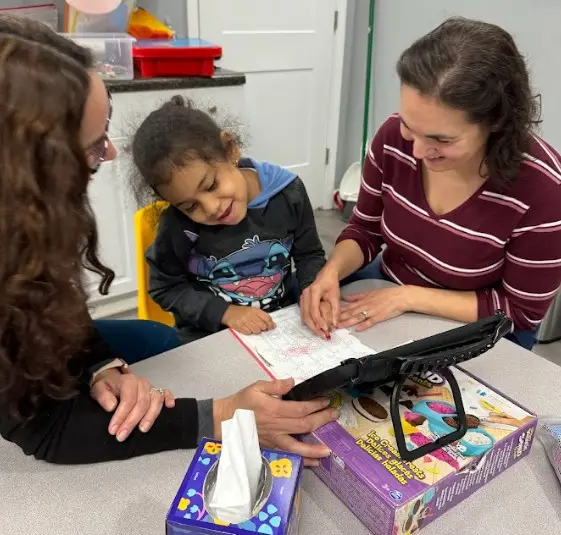
Your Next Step: From Concern to Clarity
If these observations resonate with you, the next step is not to panic, but to seek clarity. You are not alone, and there’s a world of support available.
Here at Therapy Smarts, we don’t just provide therapy; we provide understanding and a clear path forward. Our dedicated team specializes in comprehensive early intervention. By focusing on your child’s unique needs, we help bridge developmental gaps and build crucial skills.
- Speech Therapy: If communication is your biggest concern, our speech therapists are experts at helping children find their voice, whether through words, signs, or alternative communication.
- Applied Behavioral Analysis (ABA) Therapy: For behavioral challenges or learning new social skills, ABA is an evidence-based approach that helps children thrive in various settings.
- Occupational Therapy (OT): If sensory issues or difficulties with daily tasks are present, OT can provide strategies for self-regulation and skill development.
- Physical Therapy (PT): For motor delays or coordination challenges, PT can enhance strength, balance, and confident movement.
Your observations are valuable. Trust your instincts. The sooner we understand your child’s needs, the sooner we can work together to help them grow, learn, and flourish.
Stop worrying and start knowing. Contact Therapy Smarts today to schedule an evaluation consultation and begin your journey toward unlocking your child’s full potential.