When many parents hear “speech therapy,” they picture a kid learning to pronounce complicated sounds. That’s correct — but speech therapy is much more than that. Initial intervention supports communication, feeding, swallowing, social competence and even confidence for kids with an extensive variety of medical and developmental conditions.
If you’re in doubt whether speech therapy for kids is a good investment of time and effort, the brief answer is: for various children it can be life-changing — particularly when started early.
Why early years matter: the window of opportunity
The early years like from birth to about age five, the brain of a child is extremely receptive to language and sensory input. ASHA.org emphasizes that this is a crucial period because the earlier we support language, hearing, and feeding development, the better the long-term outcomes for learning, social accomplishment, and mental health.
Early speech therapy for children aids decreasing frustration, increases readiness of learning, and reinforces family communication routines. Delaying treatment can make some goals difficult to attain later on.
Who benefits? A quick list (and why)
Below are the groups of children who usually improve from early speech and relevant therapies — and what kind of problems the therapy typically resolves.
Children with Autism Spectrum Disorder (ASD)
Children on the autism spectrum often have issues with comprehension of the language, communicative language, social communication, and pragmatic abilities (the “how” of conversation).
Speech-language pathologists (SLPs) work on understanding gestures as well as words, building meaningful speech, turn-taking, play-based social competencies, and other communication approaches (like picture systems or speech-generating devices) when required. Early SLP support can decrease frustration and improve the connection of children with family and friends.
Children with Down syndrome — clarity, vocabulary, and oral-motor strength
Down syndrome often brings delayed speech, acquisition of language and lower oral-motor strength, which can make words difficult to understand and impact clarity. Early intervention for children with down syndrome include Speech therapy, which focuses on muscle tone and tongue strength (oral-motor work), intelligibility, building sentences and two-way communication—so kids can be heard and build relationships. Therapy is tuned to the strength of the child (often robust social intent) and paced for achievement.
Children with Cerebral Palsy (CP) and other neurological conditions — motor and communication support
Neurological differences can often be the reason for motor and coordination problems that impact the lips, jaw tongue, breathing and the muscles used for talking and eating and also includes language or cognitive differences.
SLPs offer oral-motor approaches, substitute communication options like picture systems or speech-generating devices as well as language stimulation to increase the ability of the child to express the requirements and learn.
Children with language delays (late talkers) — building vocabulary and sentences
Some children follow a typical developmental path but they are simply late to start talking. Early kids speech therapy helps expand vocabulary, combine words into simple sentences, understanding directions, and preschool-ready communication skills. Small, steady wins at this phase can prevent school-year struggles and build confidence.
Children with oral-motor, feeding or swallowing issues (feeding therapy)
Feeding therapy is often part of the work of an SLP when oral-motor weakness or coordination problems impact chewing, swallowing, or safe-eating. Feeding therapy focuses on safe swallowing, graded texture introduction, and reducing mealtime anxiety. Early support can prevent nutritional problems, anxiety around mealtimes, and long-term aversions.
What does a typical early intervention look like?
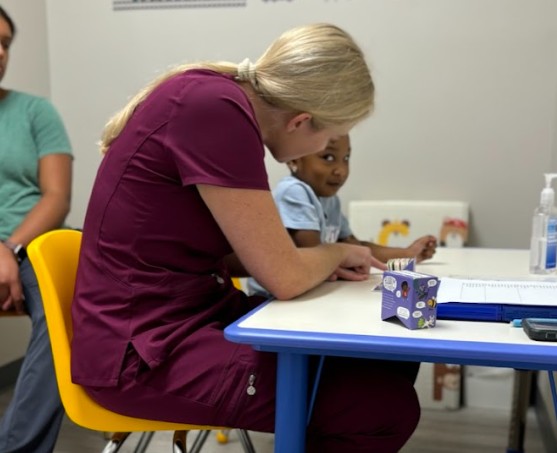
- Assessment first: A licensed SLP assesses speech, language, oral-motor skills and feeding, when required, hearing and swallowing. This creates a clear, family-focused plan with clear practical aims.
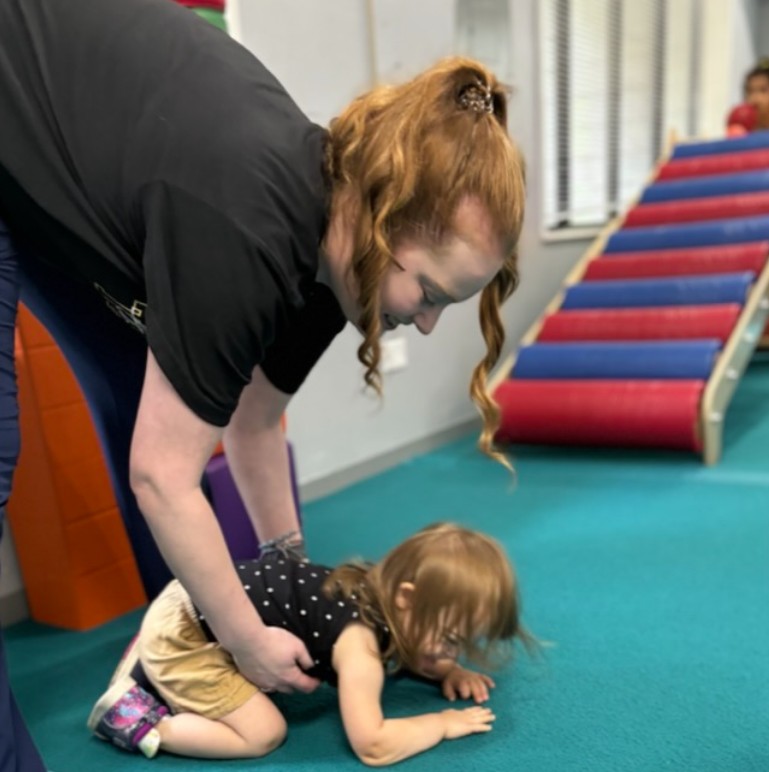
- Play-based therapy: For toddlers, therapy happens inside games, routines and Storytime so learning feels natural and fun.
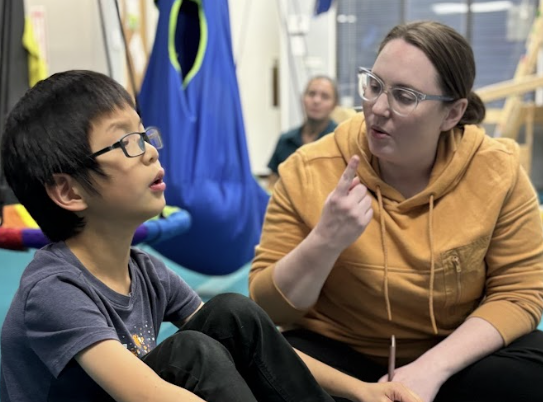
- Caregiver coaching: SLPs teach parents simple, everyday strategies to boost language which is the most powerful part of the therapy. It includes how to narrate routines, expand the words of a child, and set up successful communication moments. These simple day-to-day strategies increase progress at home
- Team approach: Therapists coordinate with pediatricians, occupational therapists, educators and nutritionists for a whole-child plan.
How to spot when to ask for help
Speech therapy for kids — when to seek an evaluation
If your kid isn’t meeting common milestones (limited babbling within 12 months, few single words by 16 months, not combining words by 2 years) or demonstrates persistent feeding or social transformations, ask your pediatrician for a recommendation. Early screening and analysis let families begin targeted support quickly.
Feeding therapy — signs you might need help
Look for coughing or choking during meals, lengthy mealtimes, refusal of most textures, unexplained weight concerns, or worry during eating. These are good reasons to seek a feeding therapy assessment from an SLP skilled with pediatrics.
Kids speech therapy at home — simple daily habits that work
- Narrate your day (“I’m putting on your shoes”).
- Imitate your child’s sounds and add one new word.
- Offer limited choices (“Do you want apple or banana?”) to encourage communication.
- Use routines (mealtime, bath, bedtime) as mini language lessons. Small, consistent actions multiply into big gains and make therapy strategies part of family life.
These everyday habits are the foundation of effective speech therapy for children and make clinical gains easier to maintain at home.
Real parents, real progress: what success looks like
Achievements aren’t always measured by seamless articulation. Often, it’s simpler and more meaningful. A kid pointing to ask for a cup, initiating play with a friend, finishing a bite without gagging, or a parent understanding the needs of the child without guessing. Those victories shape confidence and open doors to learning and friendships.
Practical next steps for caregivers
- Trust your instincts — if you’re worried, bring it up. Pediatricians can refer you for testing.
- Ask for a family-centered plan that includes caregiver coaching. Home practice is the engine of progress.
- Prioritize safety — if feeding or swallowing is a concern, seek evaluation quickly.
- Keep expectations realistic and celebrate small wins — they add up fast.
Speech therapy for kids is about connection
At its core, speech therapy for kids is not just about sounds or words. It’s about being understood, building relationships, and giving children the tools to participate fully in family life and school.
Whether a child needs targeted language support, feeding therapy, support for ASD, help with clarity after a neurological, or coaching for delayed language — early, compassionate, and practical SLP care are a smart investment in a child’s future.
If you’re worried, trust your instincts and reach out: resources and professionals are available to guide you.