Pediatric ABA therapy in Cary, NC can help autistic children ages 2–10 build communication, social, daily living, and school-readiness skills through structured, play-based support. Triangle families can access Therapy Smarts’ FUNction Junction program through nearby Durham and Chapel Hill clinics, with care plans built around each child’s strengths, needs, and goals.
When Everyday Moments Feel Harder Than They Should
When your child has trouble communicating, playing with others, handling changes, or learning daily skills, it can be hard to know what type of help is right. Parents looking for pediatric ABA therapy in Cary, NC often want clear answers and practical support.
ABA therapy can help children build skills for everyday life. It is not about changing who your child is. It is about helping them communicate needs, feel more confident, and take part in home, school, and community life.
Therapy Smarts serves Triangle families through its Durham and Chapel Hill locations. Its ABA program, FUNction Junction, uses play, peer interaction, and school-readiness activities to support autistic children ages 2–10.
What Is Pediatric ABA Therapy?
ABA stands for Applied Behavior Analysis. It is a therapy approach that helps children learn useful skills by understanding how they learn and what motivates them.
A child may work on communicating a need, joining a game, following a routine, or handling a change in plans. ABA can also support daily tasks such as getting dressed, washing hands, and participating in meals.
Quality ABA therapy is never one-size-fits-all. A Board Certified Behavior Analyst, or BCBA, gets to know your child’s strengths, needs, interests, and goals. Then, the BCBA creates a plan based on the skills that will matter most in your child’s real life.
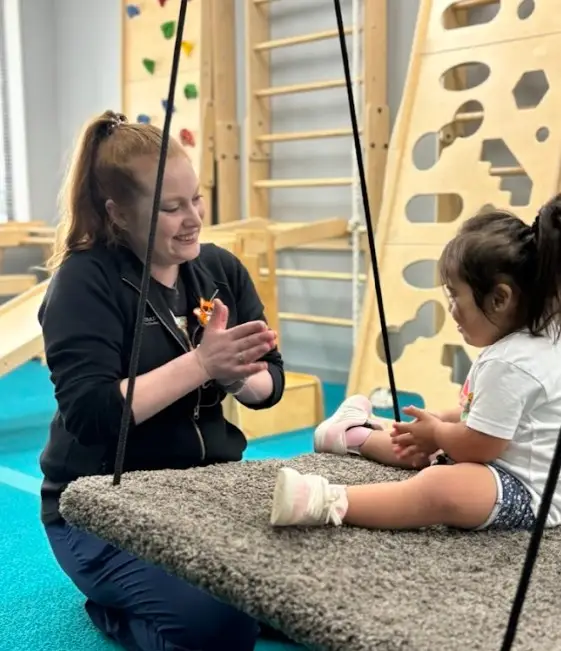
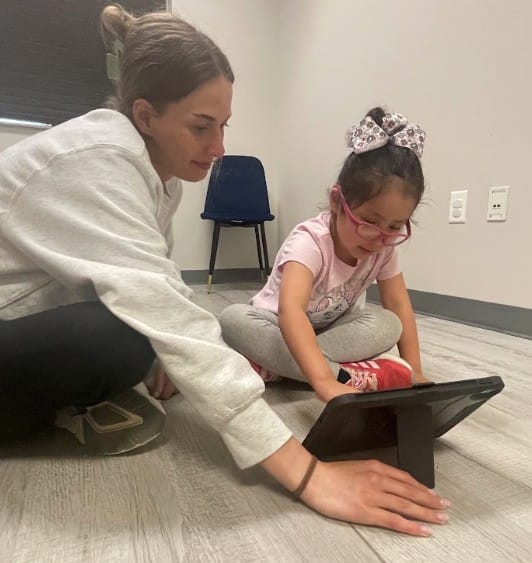
At Therapy Smarts, ABA is play-based. Children learn through games, movement, pretend play, group activities, and chances to interact with peers. A child may practice asking for a turn with a toy, joining a group activity, or moving from one activity to another.
Skills ABA Can Support
Pediatric ABA therapy may help a child build skills in:
- Communicating wants, needs, feelings, and choices.
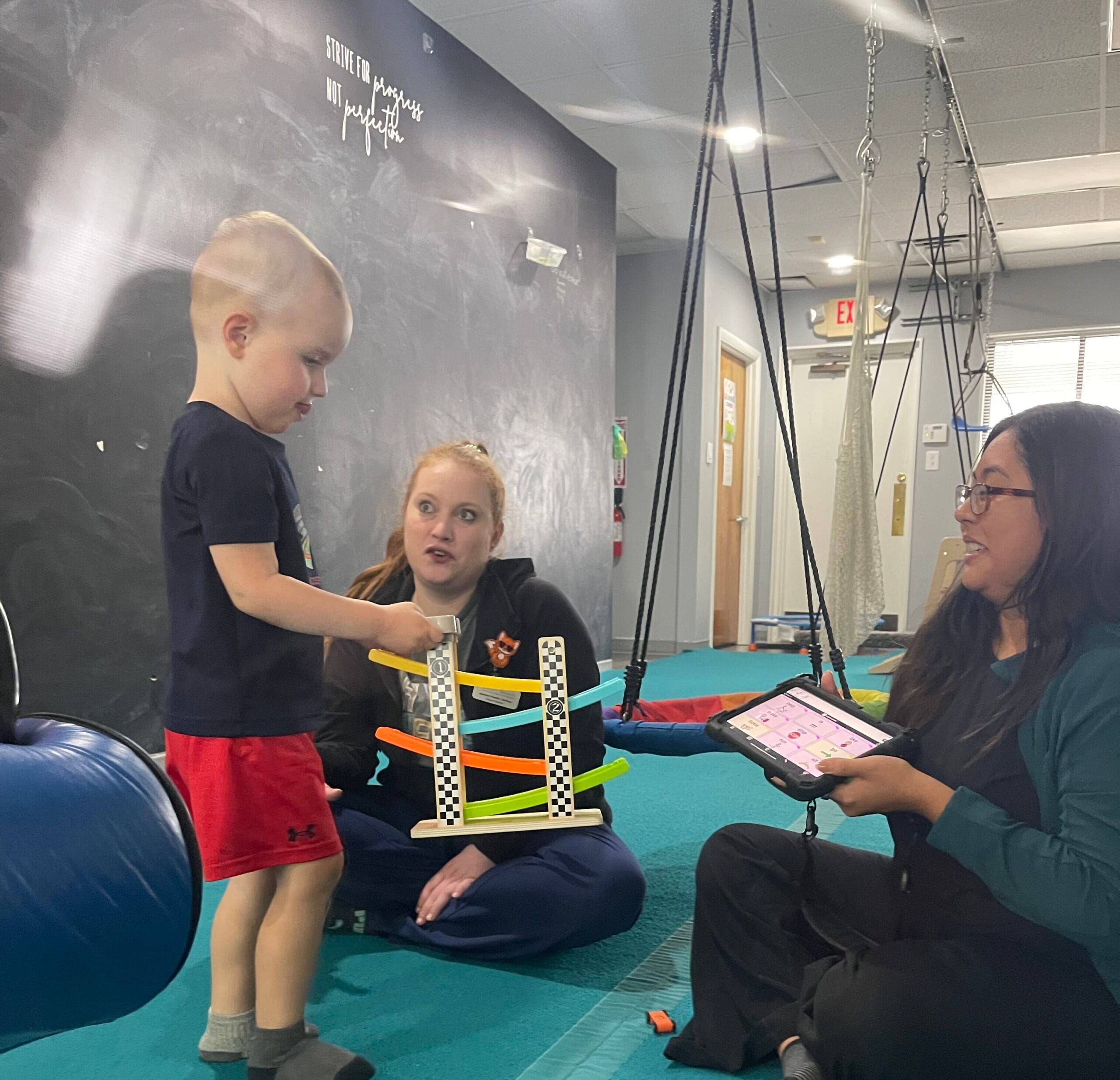
- Using words, gestures, pictures, or an AAC device.
- Playing with peers and taking turns.
- Following routines at home, daycare, or school.
- Managing frustration and handling transitions.
- Building self-care skills, such as dressing, toileting, and handwashing.
- Taking part in meals, outings, and family activities.
- Preparing for preschool, kindergarten, or classroom routines.
The goal should be meaningful progress. ABA should help children have more choices, more independence, and more ways to take part in the world around them.
How Therapy Smarts Supports Cary Families
Therapy Smarts provides ABA therapy for children throughout the Triangle. While it does not have a clinic in Cary, families can access care at the Durham clinic or the Chapel Hill clinic.
The practice has served Triangle families since 2016. It offers several services in one place, including ABA therapy, speech therapy, occupational therapy, physical therapy, feeding therapy, and evaluations. This can be helpful when a child has more than one need.
For many Cary families, Durham is reachable by I-40 or NC-540. Travel time will depend on where you live and the time of day. Check your preferred navigation app before leaving for an appointment.
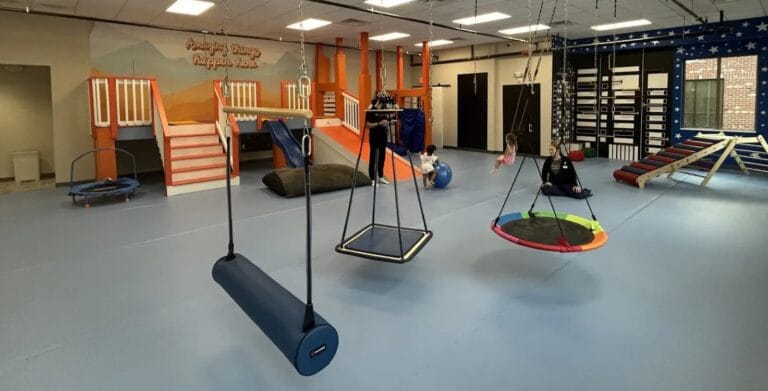
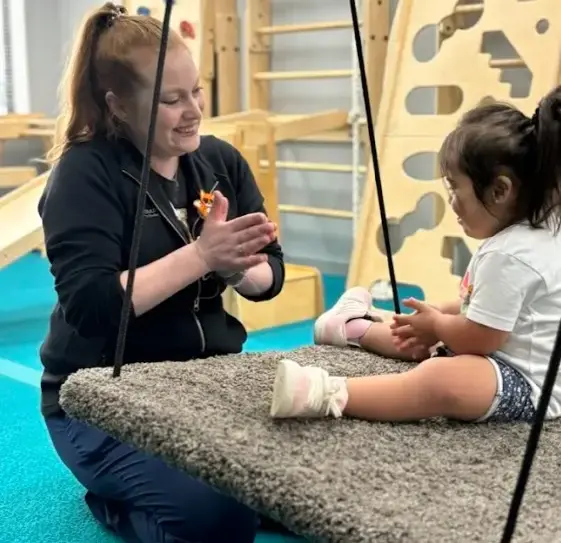
The Durham clinic includes a sensory gym and provides access to several pediatric therapy services. This can make it easier to coordinate care if your child needs support from more than one type of therapist.
Meet FUNction Junction
FUNction Junction is Therapy Smarts’ play-based ABA program for children ages 2–10 with an autism diagnosis. It uses a preschool-style setting where children can practice skills through play, routines, and peer interaction.
Children are placed in groups based on their current skills and needs. A BCBA completes an evaluation and creates an individual treatment plan. Activities are built around each child’s interests and include positive support and clear routines.
| Group | Age range | Main areas of focus |
| Playful Pioneers | 2–5 | Early communication, imitation, joint attention, sensory play, and movement |
| Creative Explorers | 3–6 | Group routines, school readiness, play skills, vocabulary, and pretend play |
| Empowered Leaders | 5–10 | Social skills, problem-solving, self-advocacy, emotional regulation, and conflict resolution |
For example, a child learning to communicate may practice asking a friend for a toy during play. A child getting ready for kindergarten may practice sitting with a group, moving between activities, and following classroom routines.
When Might a Child Benefit From ABA?
Many parents ask if they should wait before looking for help. If challenges are making home, school, daycare, or public outings harder, it may be helpful to ask questions now.
ABA therapy may be worth exploring if your child:
- Has trouble communicating wants, needs, pain, or emotions.
- Finds it hard to play or connect with peers.
- Becomes very upset by changes in routine.
- Needs help learning dressing, toileting, eating, or hygiene skills.
- Has behaviors that make safety, learning, or family routines difficult.
- Needs extra support before starting preschool or kindergarten.
- Has an autism diagnosis and needs help with social, daily living, or communication skills.
An ABA evaluation does not define your child or limit their future. It can help your family learn what support may help right now.
ABA, Speech Therapy, and OT
Autistic children can have different types of needs. One child may need the most help with communication. Another may need help with sensory needs, movement, feeding, or transitions. That is why some children benefit from more than one service.
| Service | How it may help |
| Pediatric speech-language therapy | Supports speech, language, social communication, and AAC use |
| Occupational therapy for children | Supports sensory needs, fine-motor skills, play, and daily routines |
| Feeding therapy | Helps with food selectivity, chewing, sensory concerns, and mealtime stress |
| Pediatric physical therapy | Supports strength, balance, coordination, and active play |
| Mental health support | May help older children manage anxiety, stress, and strong emotions |
When therapists work together, families can get clearer goals and more consistent strategies. Therapy Smarts coordinates ABA with speech, occupational, and physical therapy services when appropriate.
What to Expect at the First Appointment
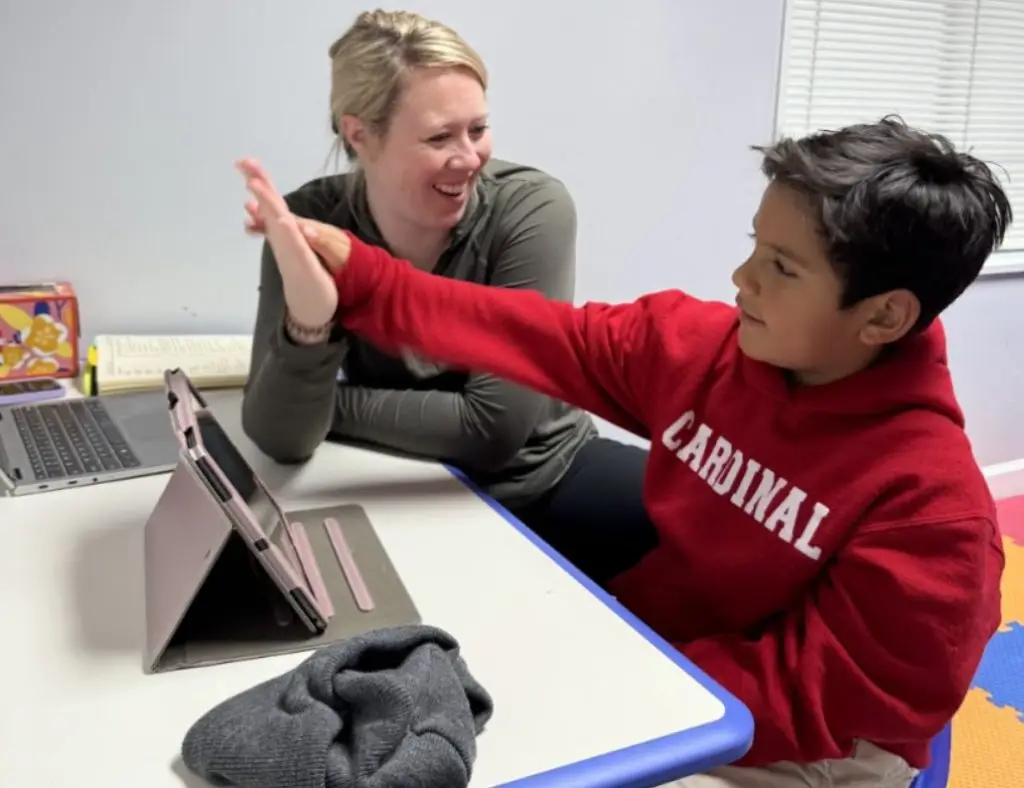
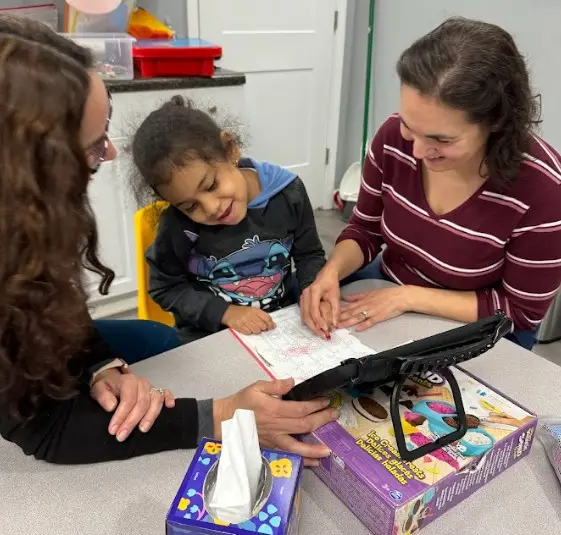
The first visit is a chance to talk about your child and ask questions. You will share details about your child’s diagnosis, development, strengths, challenges, school or daycare experience, and family goals.
Before the visit, Therapy Smarts asks families to complete intake forms. The office can also help review insurance benefits before services begin.
A BCBA will complete an evaluation for the FUNction Junction program. They will look at the skills your child already has and identify areas where added support could help. This may include communication, play, daily routines, social skills, or school readiness.
You can ask questions such as:
- What goals would help my child most right now?
- How will you measure progress?
- How often will we receive updates?
- Can ABA be coordinated with speech therapy or OT?
- What can we practice at home?
You should leave with a better understanding of your options and the next steps.
Simple Ways to Help at Home
Parents play an important role in their child’s progress. You do not need to make every moment a therapy session. Short, natural practice during daily routines can be very helpful.
- Follow your child’s interests during play.
- Offer simple choices, such as “Do you want apple slices or crackers?”
- Pause after asking a question so your child has time to respond.
- Use “first, then” language: “First shoes, then playground.”
- Use pictures or a visual schedule to help with routines.
- Praise effort, such as trying a new word, waiting for a turn, or asking for help.
- Tell the therapy team what is working at home and what is still hard.
For some children and services, teletherapy options may be available. Teletherapy can work well for some families, but hands-on and play-based services may be better in person for many children.
Frequently Asked Questions
Is ABA therapy only for autistic children?
Therapy Smarts’ FUNction Junction program is for children ages 2–10 who have an autism diagnosis. Families who have questions about autism or developmental needs can also ask about evaluations and other therapy options.
Is the ABA program play-based?
Yes. FUNction Junction uses play, routines, peer activities, and positive support. Children practice skills in a setting that feels more like preschool than a traditional classroom.
Does Therapy Smarts accept insurance?
Therapy Smarts accepts major insurance plans and may provide superbills for families using out-of-network benefits. Coverage can vary, so contact the practice to ask about your plan before the first appointment.
Can Cary families use teletherapy?
Therapy Smarts offers teletherapy for select services when it is appropriate for the child and covered by insurance. Ask the team whether virtual care is a good fit for your child’s needs.
Start With Your Questions
You do not need to have every answer before reaching out. If your child needs help with communication, routines, social skills, behavior, or independence, a caring conversation can be a useful first step.
Therapy Smarts can help your family explore whether its play-based ABA program is the right fit. Schedule an appointment to discuss your child’s needs and learn about available services.