If you’ve ever wondered why your child covers their ears at the faintest noise, refuses certain clothing, or becomes overwhelmed in everyday situations, you’re not alone. Many parents begin noticing these sensory challenges in the toddler or preschool years—but few know where to start when it comes to helping their child feel comfortable, confident, and regulated.
Sensory Processing Disorder (SPD) is a condition where the brain struggles to properly interpret sensory signals—touch, sound, taste, movement, or visual stimuli. While SPD can make daily life difficult, the right therapies can dramatically improve how children interact with the world.
Below, we break down the most effective, research-backed therapies for SPD that truly make a difference for children. This guide is designed to help you understand your options and feel empowered as you explore healing pathways for your child.
Understanding SPD Through a Scientific Lens
Before diving into therapies, it helps to know that SPD is real, recognizable, and supported by neuroscience. Research published in the National Center for Biotechnology Information (NCBI) highlights how children with SPD process sensory stimuli differently due to variations in brain connectivity and sensory modulation. This scientific understanding reassures parents that SPD isn’t “misbehavior” or “overreacting”—it’s a neurological difference that requires structured therapeutic support.
With the right therapy plan, the brain can adapt, learn, and build stronger pathways—something known as neuroplasticity, which is especially powerful during childhood.
- Occupational Therapy (OT) with a Sensory Integration (SI) Approach – The Cornerstone of SPD Treatment
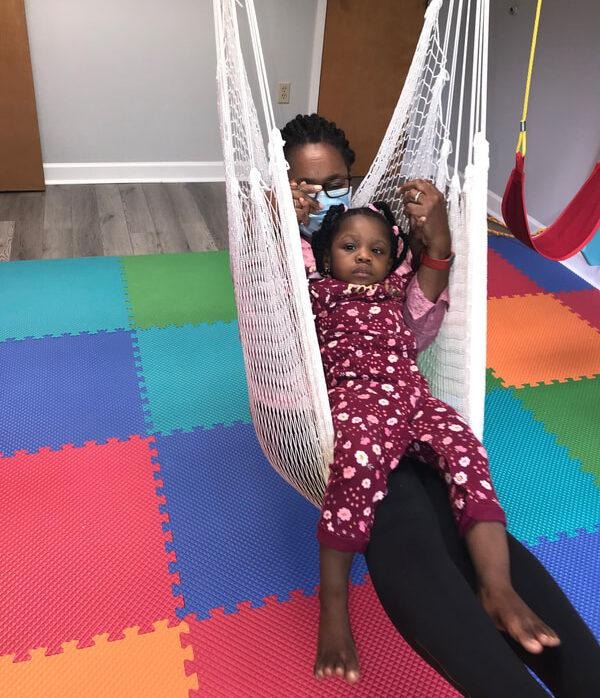
If there is one therapy that stands at the center of SPD support, it is Occupational Therapy with a Sensory Integration approach. OT-SI helps children learn to process sensory information more effectively, improving how they respond to movement, touch, sound, smell, and visual stimuli.
What Happens in an SI-Based OT Session?
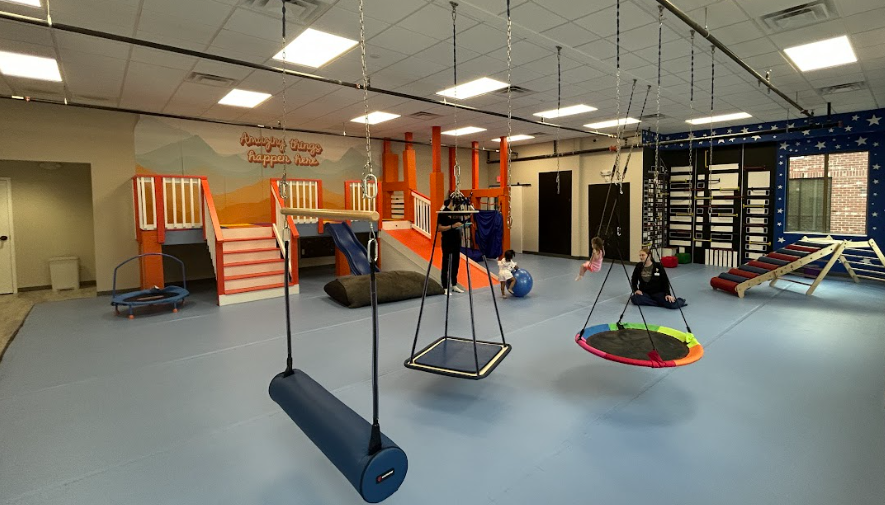
Therapists guide the child through hands-on activities that gradually challenge the nervous system in a safe, structured, and playful environment—often called a “sensory gym.”
These gyms may include:
- Swings for vestibular (balance and motion) input
- Climbing walls to build proprioceptive (body-awareness) skills
- Crash pads and trampolines for deep-pressure input
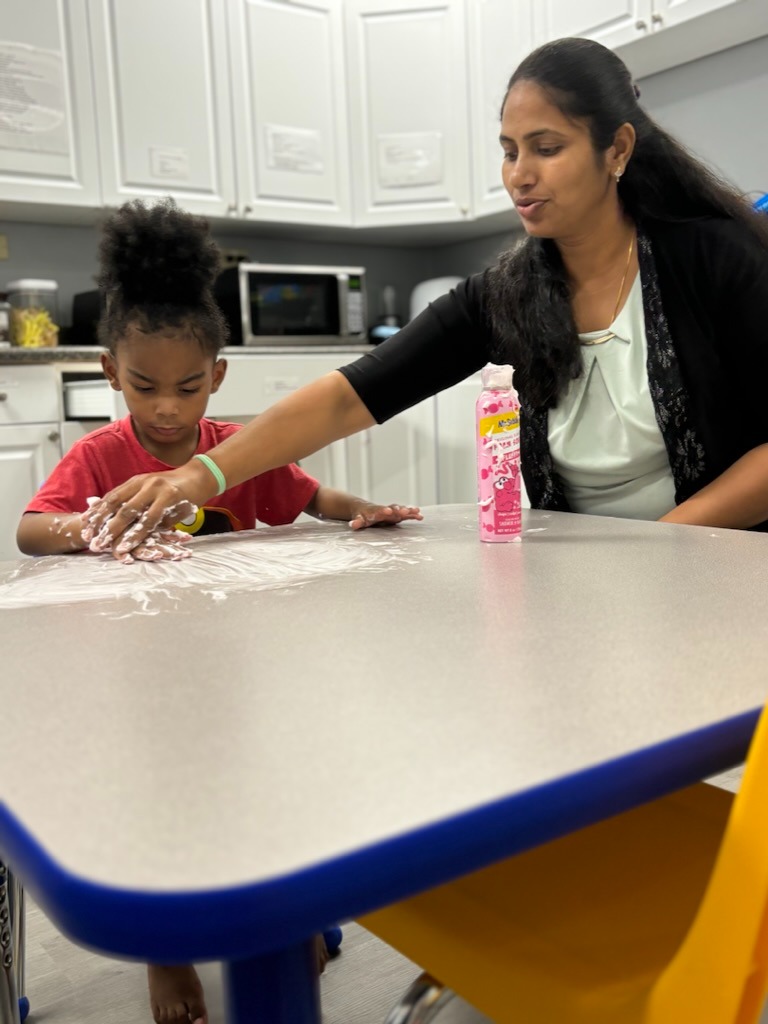
- Sensory bins filled with rice, foam, or beads to refine tactile tolerance
The process is not random play—it’s a carefully designed neurological workout.
Why OT-SI Works
- It forms new, healthier sensory pathways in the brain
- It improves emotional regulation & self-calming skills
- It supports attention and learning
- It promotes smoother participation in daily activities like dressing, mealtime, and school
Real-Life Impact
With consistency, children:
✔ become more comfortable with touch
✔ tolerate new environments better
✔ manage transitions with fewer meltdowns
✔ show improved confidence and independence
For many families, this therapy becomes a turning point.
2. Environmental Modifications – Small Changes, Big Transformations
One of the most practical and immediate strategies for helping a child with SPD is modifying their environment. This doesn’t mean making dramatic changes; it means making thoughtful adjustments so their senses feel less overloaded.
Examples of Helpful Modifications
- Dimming harsh lights or using warm, indirect lamps
- Reducing visual clutter on walls or play areas
- Noise-canceling headphones for loud spaces
- Weighted blankets or lap pads for deep-pressure comfort
- Quiet corners with cushions for self-regulation
These changes don’t “spoil” the child—they support their nervous system while therapy builds long-term resilience.
Why Every Parent Should Consider It
By aligning environments with a child’s sensory profile, you create safe spaces where they can focus, learn, and relax without becoming overwhelmed. It’s one of the most effective—and underestimated—forms of sensory support.
3. Speech-Language Pathology (SLP) – When Sensory Challenges Affect Communication and Feeding
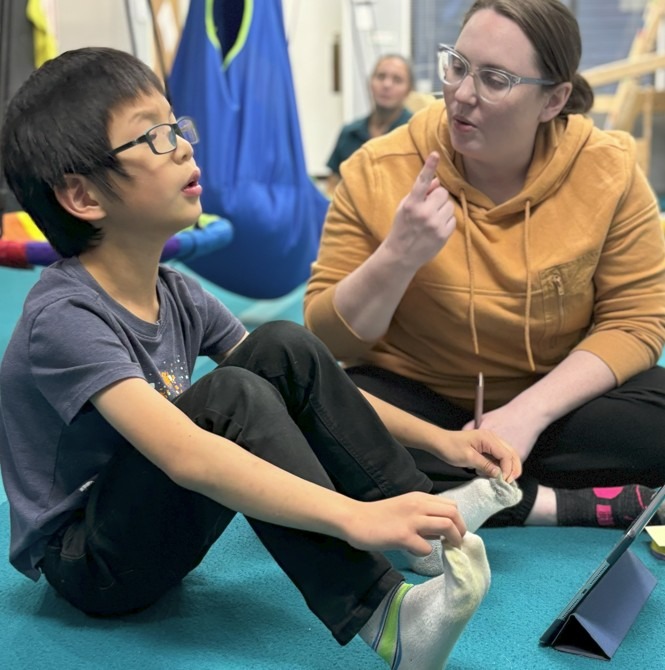
Many parents don’t realize that Speech-Language Pathologists play a crucial role when sensory issues impact:
- oral-motor control
- feeding
- expressive and receptive language
Children with SPD may avoid certain sounds, textures, or mouth movements because these sensations feel too intense or uncomfortable.
How SLP Supports Children with SPD
- Enhances oral-motor awareness for clearer speech
- Builds tolerance for textures in food
- Improves communication in social situations
- Supports self-regulation for more confident speaking
- Helps children follow directions despite sensory distractions
Children cannot communicate if they are dysregulated from their sensory differences, so it is important to consider regulation and sensory integration in order to give the child the best environment to communicate.
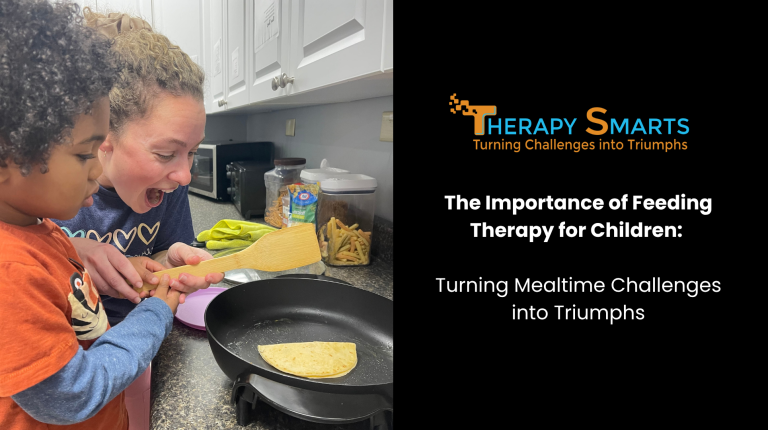
4. Feeding Therapy – For Children with Extreme Food Aversions
Many children with SPD struggle with eating—not because they’re “picky,” but because certain foods overwhelm their sensory system.
Common triggers include:
- Texture (sticky, crunchy, mushy)
- Temperature (cold yogurt, warm pasta)
- Smells
- Mixed consistencies
What Feeding Therapy Looks Like

Feeding therapists gradually introduce new foods using playful exposure techniques such as:
- food exploration (touching, smelling, playing)
- texture desensitization
- oral-motor strengthening
- step-by-step tasting hierarchies
Each small victory—touching a new food, licking it, taking a small bite—is celebrated.
Why It Matters
Nutritional diversity supports the child’s growth and brain development, and therapy prevents mealtime from becoming a daily battle.
5. Family Education & Home Programs – The Secret to Long-Term Progress
Therapy works best when parents become active partners. Family education helps you understand your child’s sensory needs and respond effectively during daily challenges.
This may include:
- sensory diets (custom activity plans)
- home routines for calming
- strategies to manage sensory overload
- communication tips for sensory overwhelm
When parents feel informed and confident, children thrive faster.
How to Know Which Therapy Your Child Needs
Every child with SPD is unique. A thorough evaluation by a certified pediatric OT, SLP, or developmental specialist can help determine:
- the child’s sensory profile
- their triggers and tolerance levels
- which therapy protocols will lead to the fastest, healthiest progress
Many children benefit from a multidisciplinary plan, combining OT-SI with SLP, feeding therapy, and environmental modifications.
Turn Sensory Overwhelm into Confidence
You don’t have to navigate the complexities of Sensory Processing Disorder alone. Whether your child needs Occupational Therapy to regulate, Feeding Therapy to explore new foods, or Speech Therapy to communicate their needs, our multidisciplinary team is here to help.
Let’s build a calmer, happier home together with evidence-based care and compassionate guidance 👉 Contact Therapy Smarts today for a sensory evaluation in Durham or Chapel Hill.
You’re not alone on this path. With evidence-based care and compassionate guidance, your child can learn to navigate the world with confidence—and even discover the unique strengths hidden within their sensory differences.