How Play-Based ABA Supports Families in Durham and Chapel Hill
For a lot of families, finally getting an autism diagnosis for your child brings a massive wave of mixed emotions. There is a sense of relief because you finally understand why your little one reacts so intensely to the world around them. But right on the heels of that relief is a heavy, overwhelming worry. You find yourself asking, “How in the world do I help my child handle a world that feels so incredibly loud, bright, and unpredictable to them?”
When you start searching for answers, you will almost certainly hear about Applied Behavior Analysis ABA therapy. Unfortunately, ABA sometimes gets a bad reputation. Parents often worry it will be too strict, or worse, that it will try to change their child’s beautiful, unique personality.
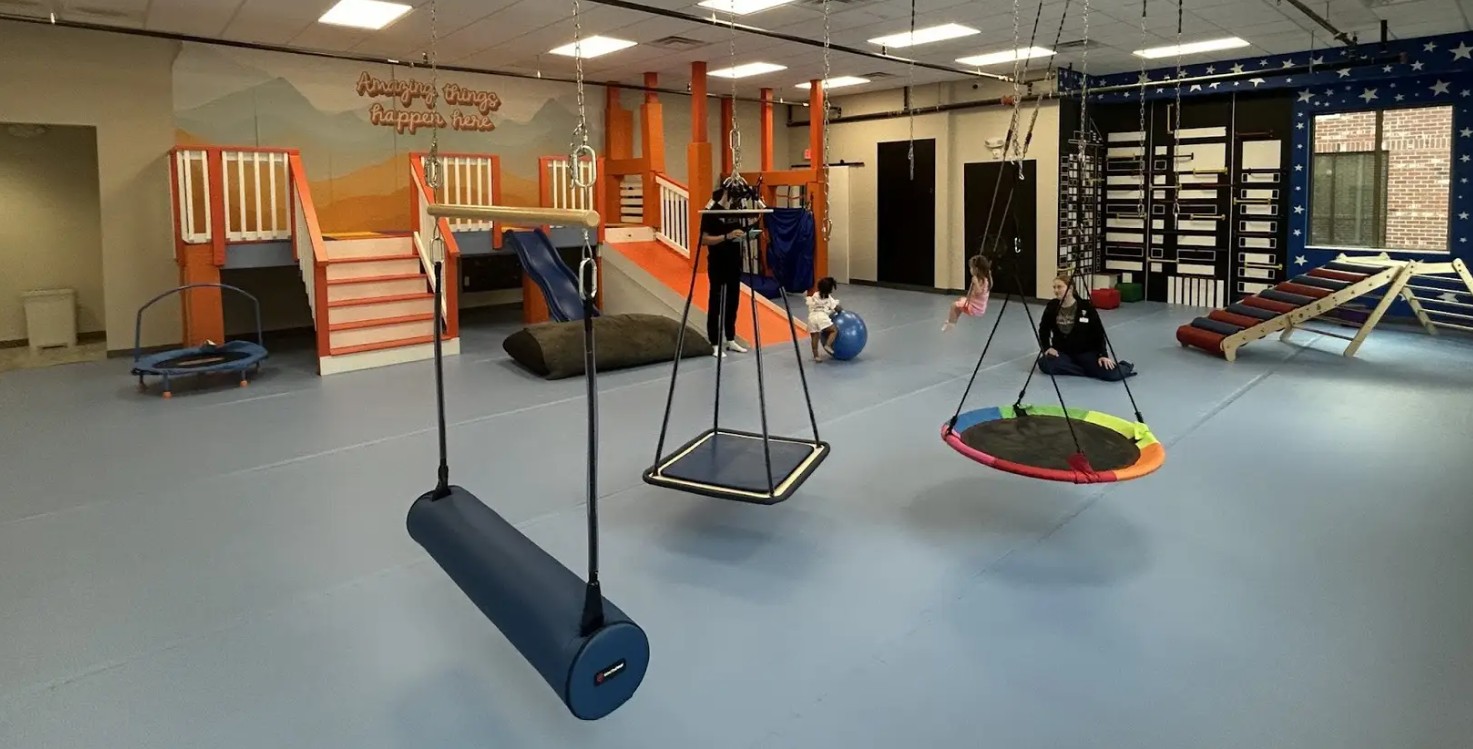
At Therapy Smarts, we want to put those fears to rest right away. Modern, high-quality ABA isn’t about sitting at a desk doing rigid drills. Through our “FUNction Junction” philosophy at our Durham and Chapel Hill pediatric therapy clinic, we use play to teach. We know that children learn best when they feel safe, happy, and engaged. We aren’t looking to “fix” a child; we are looking to understand what they are trying to tell us, and give them the tools they need to make their days a little easier.
Here is a closer look at what that actually means for your family’s day-to-day life, and how we tackle some of the most common hurdles together.
When Words Won’t Come: Easing the Frustration of Communication
If you have ever stood in your kitchen watching your child scream, throw things, or completely melt down over seemingly nothing, it is an incredibly helpless feeling. But so often, those big behaviors are just a desperate attempt to talk to you. Imagine being incredibly thirsty or terrified of a loud noise, but completely unable to make your mouth form the words to ask for help. You would probably act out, too.
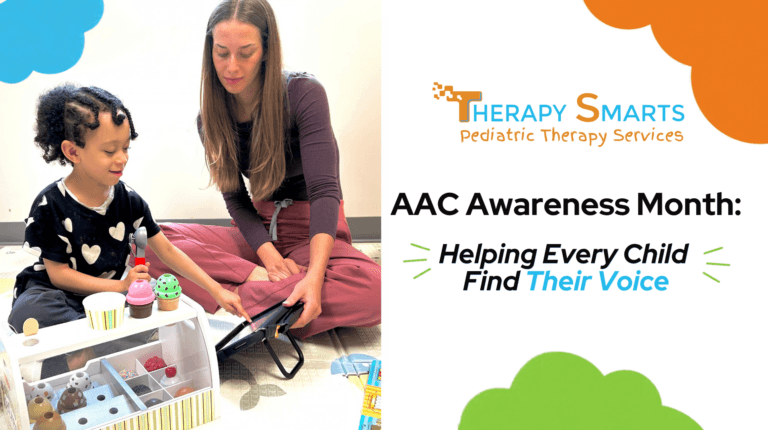
This is where a technique called Functional Communication Training comes in. Our goal is to give your child a much easier, more effective way to get their needs met. Instead of focusing on the screaming, we figure out what they want and teach them a safe way to ask for it. For some kids, that means learning a spoken word. For others, it might be a hand sign, pointing to a picture card, or using a tablet device. Once a child realizes that pointing to a card gets them a snack much faster than having a meltdown, the frustration in your home will drop dramatically. And because communication is such a huge puzzle, our ABA therapists regularly team up with Speech-Language Therapy experts to ensure your child has a clear voice everywhere they go.
Moving From the Sidelines to the Sandbox
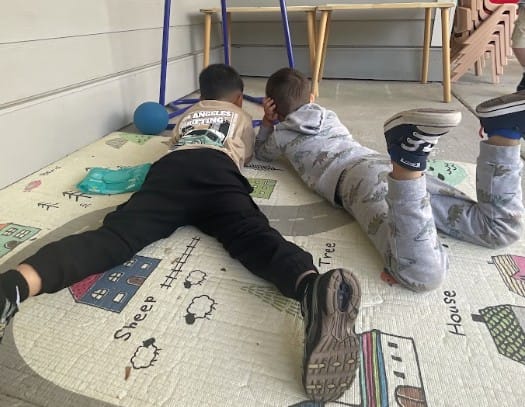
It can break a parent’s heart to sit on a park bench and watch their child play completely alone while other kids run around together. A lot of kids on the autism spectrum struggle to bridge that gap. They might desperately want to play, but they just don’t understand the unspoken rules of childhood—like how to take turns, how to share a toy, or how to know when a friend wants to play a different game.
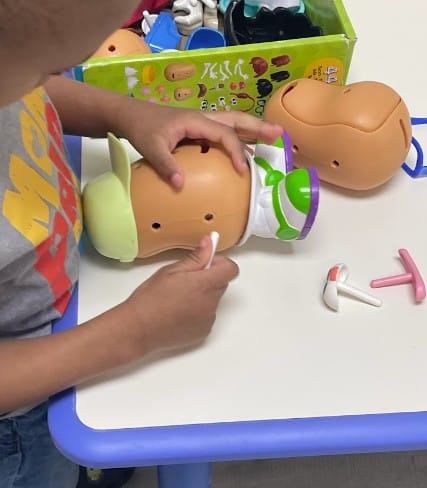
We don’t teach these skills by talking about them in a quiet room. We use Natural Environment Training, which is really just a fancy way of saying we get right down on the floor and play with them. We set up natural playdates and help guide the interactions. If two kids are playing with blocks, we gently help them practice handing blocks back and forth. We help them read the room and learn how to join in on the fun in a way that feels totally comfortable and natural to them, never forced.
Loosening the Grip of Strict Routines
Routines can be a lifeline for children with autism, a way to make a chaotic world feel predictable and safe. If you’re a parent of a child who thrives on a strict routine, you know just how precious—and fragile—that sense of peace can be. The smallest change, like taking a different route home from the store or asking them to turn off their iPad for dinner, can feel like the ground is crumbling beneath their feet. That carefully built sense of safety shatters, often leading to overwhelming panic.
We help kids build up their “flexibility muscle.” One of the most effective tools we use is a visual schedule. Imagine your child looking at a simple picture board and seeing that “iPad time” is followed by “Dinner time.” Suddenly, the transition isn’t a scary surprise anymore. We also gently introduce small, harmless changes to their day. This helps them learn that a change in plans isn’t something to fear.
It’s also crucial to understand why a transition is hard. It’s often not about a child being stubborn. They might actually be experiencing physical pain from sensory overload. If the sounds or lights in the kitchen are too intense, our Pediatric Occupational Therapy team can step in. They help calm the child’s nervous system, turning those daily routines from a battleground into a peaceful part of their day.

Help your child feel more confident in the classroom
One of the biggest worries we hear from parents is about school. You want to know if your child will be able to handle sitting in a busy classroom, following a teacher’s directions, and taking care of their own things.
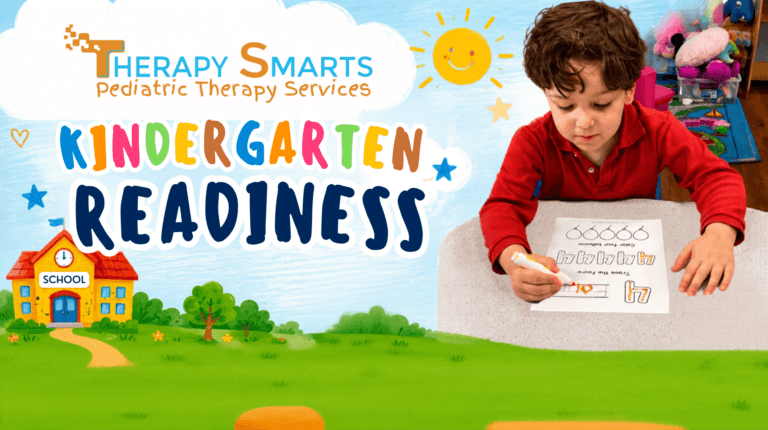
A huge part of what we do is getting your child ready for school. We set up group activities in our clinics that feel just like a real kindergarten or preschool classroom, so your child can practice the exact skills they’ll need.
We work on things like sitting nicely during circle time, waiting patiently in line, and following multi-step directions such as, “Go get your backpack and stand by the door.” We even practice self-help skills, like opening lunchboxes and putting on coats. Our goal is to build a solid foundation for School Services so that when your child walks into their new classroom, they don’t just survive the day—they thrive.
Finding Safe Ways to Handle Big Feelings
Perhaps the most stressful and frightening moments for a parent happen when their child’s nervous system becomes totally overloaded. When a child has too many big emotions and their internal cup overflows, they can lose control. They might wander away from safety, or they might even hit or bite themselves to try and cope with the overwhelming stress.
Safety is our top priority. In ABA therapy, we focus on replacing unsafe behaviors with safe ones.
For example, if your child hits their head when they feel overwhelmed, it might be because they’re seeking a specific physical sensation. We’ll work with them to find a safer way to get that same feeling. We also teach them to recognize when they’re starting to feel upset, so they can ask for a break, grab noise-canceling headphones, or take deep breaths before things escalate.
If you’re seeing these kinds of safety concerns at home, scheduling an early autism evaluation is the best first step toward getting the support your family needs.

You Don’t Have to Do This Alone
At the end of the day, our goal at Therapy Smarts is incredibly simple: we want to remove the invisible roadblocks that are making your child’s life harder than it needs to be. We are absolutely not here to change their quirks, their special interests, or their wonderful personality. We want to celebrate exactly who they are.
We consider ourselves partners with the parents in our community. We are here to support your family right here in the triangle, helping you navigate the journey from those overwhelming early days of a diagnosis all the way to watching your child hit milestones you once thought were impossible.
If you are ready to help your child step forward with confidence, reach out to our team in Durham or Chapel Hill to schedule an appointment. Or, if you are still just wondering if your child is hitting their marks, take a few minutes to fill out our free developmental checklist to get a better picture of where they stand today.