
How Play-Based ABA Supports Families in Durham & Chapel Hill
For many parents in the Durham and Chapel Hill area, receiving an autism diagnosis for their child can feel like the world has shifted. It’s a moment filled with both clarity and uncertainty. You finally have an explanation for your child’s struggles to connect or their intense reactions to the world, but it also raises a daunting question: “How can I help my child navigate a world that feels overwhelming to them?”
The search for answers often leads families to Applied Behavior Analysis (ABA) therapy. However, there are many misconceptions about what ABA truly is. It’s not about rigid drills or changing a child’s personality. Instead, modern ABA is a science of learning and motivation—an evidence-based approach recognized by the CDC as a gold standard for autism treatment. At its core, ABA focuses on turning daily challenges into functional, life-changing skills.
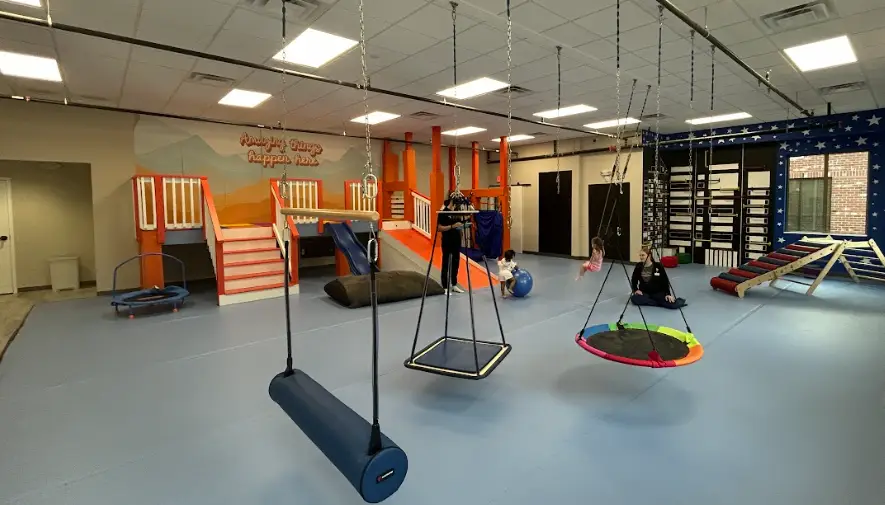
At Therapy Smarts, we embrace this science through our “FUNction Junction” philosophy. We believe that for a child to truly learn, they must be engaged. In our Durham and Chapel Hill clinics, we use play-based therapy to teach essential life skills in a way that feels natural and joyful. We don’t just address surface behaviors; we look at the heart of the child and the needs they are trying to express.
Key Challenges ABA Therapy Tackles
1. Breaking Down Communication Barriers
For children with autism, many “problem behaviors” are actually attempts to communicate. When a child lacks the words to say, “I’m hungry,” “I’m tired,” or “This light is too bright,” they may resort to screaming, hitting, or throwing objects.
Through Functional Communication Training (FCT), ABA therapy helps children replace these behaviors with functional tools like spoken words, hand signs, or picture cards. This shift empowers children to express their needs effectively, reducing frustration and meltdowns.
Our ABA therapists often collaborate with Speech-Language Therapy experts to ensure consistency across all communication methods, whether verbal or through an Augmentative and Alternative Communication (AAC) device. This interdisciplinary approach helps children find their voice in every environment.
2. Building Social Connections
Watching your child play near other children but not with them can be heartbreaking. Many children with autism struggle to move from parallel play to interactive play, often missing social cues like taking turns or understanding when a friend wants to stop.
Using Natural Environment Training (NET), we practice social skills in real-time play scenarios. From making eye contact comfortably to navigating the flow of a conversation, we help children build the skills they need to form meaningful connections.
According to Autism Speaks, a strong social curriculum within ABA therapy bridges the gap between isolation and community, helping children become active participants in the world around them.
3. Navigating Routines and Transitions
For children with autism, routines provide a sense of safety—but even small changes can feel overwhelming. A different route to the store or a favorite toy being moved can trigger a meltdown.
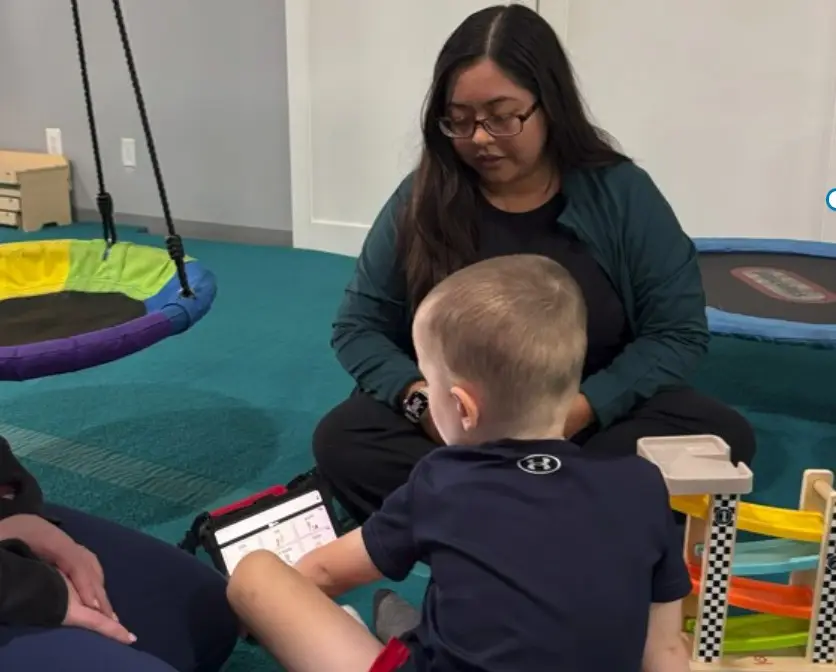
We use visual schedules and transition cues to make changes predictable and manageable. By introducing small, controlled changes through tolerance training, we help children build flexibility and resilience.
It’s also important to distinguish between behavioral and sensory challenges. While ABA addresses behavioral rigidity, our Occupational Therapy team can help with sensory sensitivities that may make transitions physically uncomfortable.
4. Preparing for School Success
The transition to a structured school environment is a major milestone for children with autism. At Therapy Smarts, our “FUNction Junction” program focuses on building school readiness skills like sitting in a classroom, following instructions, and managing personal belongings.
Through activities like “Circle Time” simulations and practicing multi-step directions, we prepare children for the classroom in a low-pressure, play-based environment. These skills not only help children succeed academically but also foster independence and confidence.
5. Ensuring Safety and Self-Regulation
Safety concerns, such as wandering or self-injurious behaviors, are some of the most stressful challenges for families. These behaviors often stem from sensory overload or an inability to self-regulate.
ABA therapy teaches replacement behaviors to address these challenges. For example, if a child hits themselves for sensory input, we find safer alternatives. If they run away to escape loud noises, we teach them to ask for a break or use noise-canceling headphones.
By equipping children with self-management strategies like deep breathing and recognizing early signs of distress, we help them regain control before a crisis occurs.
A Partnership for Progress
At Therapy Smarts, ABA therapy isn’t about changing who your child is—it’s about removing the barriers that prevent them from fully connecting with the world. We celebrate your child’s unique perspective, interests, and personality while helping them overcome challenges like communication gaps, social anxiety, and rigid routines.
We see ourselves as partners in your family’s journey. From the initial diagnosis to the milestones you once thought were out of reach, we’re here to support you every step of the way.
Take the First Step Today
Ready to turn challenges into triumphs? Schedule an appointment with our ABA team in Durham or Chapel Hill today.

???? Locations:
- Durham Clinic: 1920 NC-54 STE 240, Durham, NC
- Chapel Hill Clinic: 1130 Weaver Dairy Rd, Chapel Hill, NC
???? Call us at 919-378-1340
???? Email: [email protected]
Let’s work together to help your child thrive!