Pediatric Splinting Therapy in Durham & Chapel Hill
What is pediatric splinting?
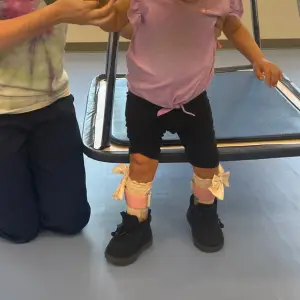
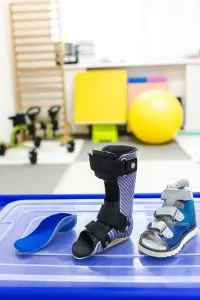
Splinting involves using supportive devices—called splints, braces, or orthotics—to help position a child’s joints, muscles, or limbs in a safer and more functional alignment. Splints can help place joints and muscles in better alignment, which may improve comfort, posture, standing, walking, and movement patterns. Physical therapists monitor how the child moves and recommend supportive devices that promote safe body mechanics.
Children with muscle tightness or increased tone may develop joint stiffness over time. Splinting can help gently maintain range of motion and reduce the risk of muscles becoming overly tight. Therapy Smarts therapists focus on helping children safely navigate their surroundings while improving confidence and participation in daily life.
Pediatric Splints Are Commonly
Used To Support Children With:
- Muscle weakness
- High or low muscle tone
- Neuromuscular disorders
- Cerebral palsy
- Developmental delays
- Orthopedic conditions
- Recovery from injuries or surgeries
- Balance and coordination challenges
- Toe walking or gait abnormalities
Therapy Smarts physical therapists help determine whether a child may benefit from splinting as part of their individualized therapy plan.
Conditions That May Benefit From Splinting Support:
Therapy Smarts physical therapists work with children experiencing a wide range of diagnoses and movement challenges, including:
- Cerebral palsy
- Developmental coordination disorder
- Down syndrome
- Fragile X syndrome
- Gross motor delays
- Muscle weakness
- Neuromuscular disorders
- Spina bifida
- Torticollis
- Toe walking
- Coordination and balance difficulties
- Recovery from orthopedic injuries
How Therapy Smarts Physical Therapy Helps with Splinting
While a diagnosis of Splinting comes with unique challenges, it also comes with incredible potential. At Therapy Smarts, our multidisciplinary team in Durham and Chapel Hill works together to create a customized “roadmap” that helps your child hit their milestones and gain independence.
Building Strength and Mobility (Physical Therapy)
Many children with Splinting experience hypotonia (low muscle tone) and ligament laxity. Our Pediatric Physical Therapists focus on:
Strengthening core muscles to support sitting, crawling, and walking.
Improving balance and coordination to help with playground play and sports.
Providing orthotic recommendations to ensure proper joint alignment as your child grows.
Developing Independence and Fine Motor Skills (Occupational Therapy)
Our Occupational Therapists (OTs) focus on “the job of being a kid.” We help children master the daily skills they need for home and school, including:
Fine Motor Coordination: Strengthening small hand muscles for writing, using scissors, or buttoning clothes.
Self-Care Skills: Practical training for feeding themselves, dressing, and grooming.
Sensory Integration: Helping children process information from their environment so they can stay focused and calm in the classroom.
Wondering About Developmental Milestones?
Have questions about your child’s development, or wondering if a certain diagnosis may be a fit? Try out our developmental screening tool— it’s a fast, free way to get a snapshot of your child’s progress on his or her developmental milestones.
Ready to Help Your Child Reach Their Full Potential?
At Therapy Smarts, we don’t believe in a “wait and see” approach. We believe in early, expert intervention that gives your child the tools they need to thrive. Whether you are looking for specialized Splinting support or a comprehensive developmental evaluation, our award-winning team in Durham and Chapel Hill is ready to partner with your family.
Two Easy Ways to Begin:
Contact Us Directly: Ready to schedule? Call us at 919-378-1340.
Fill out our Online Inquiry Form to speak with a member of our intake team.
Don’t navigate this journey alone—let’s unlock your child’s possibilities together