How We Treat Torticollis, Toe Walking, Developmental Delays, and More in Durham & Chapel Hill
When most people hear “Physical Therapy,” they imagine athletes recovering from injuries or adults healing after surgery. It’s a common misconception—and one that often prevents parents from exploring a powerful support system for their children.
The reality is very different.
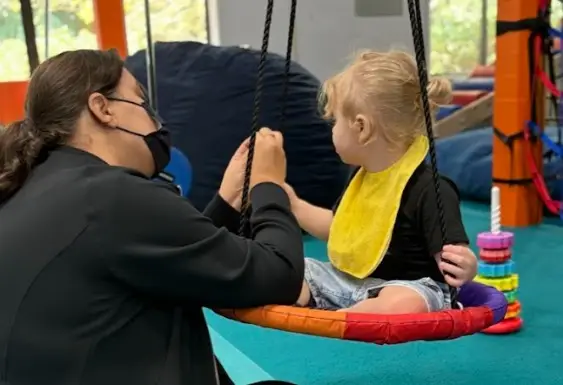
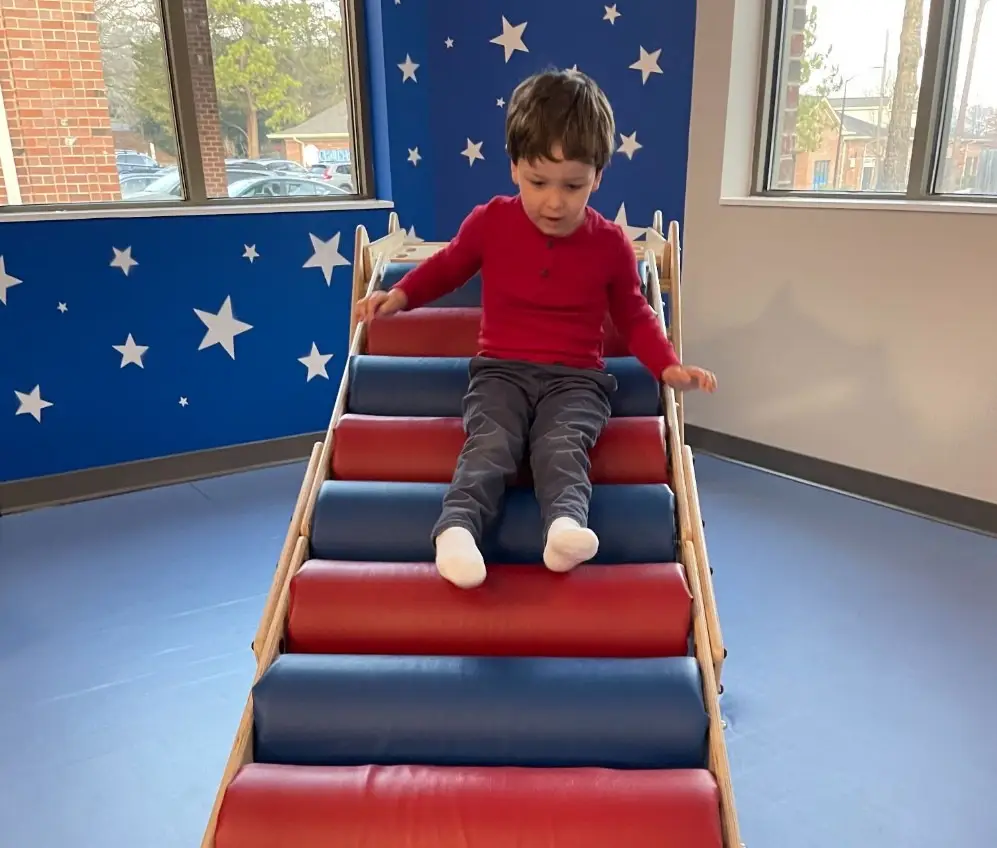
Pediatric Physical Therapy isn’t about rigid exercises or clinical routines. It’s about movement through play, exploration, and confidence-building. It helps babies lift their heads for the first time, toddlers take those wobbly first steps, and older children keep up with their friends on the playground.
At Therapy Smarts, we focus on what truly matters—helping children move, grow, and thrive in their everyday environments.
In this guide, we’ll walk you through the specific pediatric physical therapy techniques we use to treat common childhood conditions, from infancy through adolescence.
Learn about our full range of Pediatric Physical Therapy services.
Infant Conditions (Torticollis & Plagiocephaly)
The early months of a baby’s life are crucial for physical development. Sometimes, however, babies develop conditions that affect their posture and movement.
Torticollis occurs when a baby’s neck muscles—specifically the sternocleidomastoid—become tight, causing the head to tilt to one side. Plagiocephaly, often linked to torticollis, results in a flattened area on the back or side of the head.
While these conditions can be concerning, the good news is that early intervention is highly effective.
How We Treat It
Our Pediatric Physical Therapy team uses a combination of gentle, evidence-based techniques:
Manual Stretching
We carefully guide the baby’s neck through safe, controlled stretches to improve flexibility and alignment. These movements are always gentle and designed to keep your baby comfortable.
Positioning Strategy
Parents play a huge role in recovery. We teach you how to hold, carry, and position your baby throughout the day to naturally encourage turning toward the non-preferred side.
Tummy Time Training
Tummy time is more than just a milestone—it’s a powerful strengthening tool. We help parents turn tummy time into an engaging activity that builds neck, shoulder, and back strength.
With consistency and guidance, many babies show remarkable improvement within weeks to months.
Worried about your baby’s motor skills? Read our guide: From First Steps to Big Leaps.
Gait Abnormalities (Toe Walking & In-toeing)
Watching your child learn to walk is exciting—but what if something doesn’t look quite right?
Some children continue walking on their toes beyond age two, while others walk with their feet turned inward (in-toeing). These patterns may seem harmless at first, but if left unaddressed, they can lead to muscle tightness, poor balance, and long-term discomfort.
How We Treat It
We take a comprehensive approach that looks beyond just the feet:
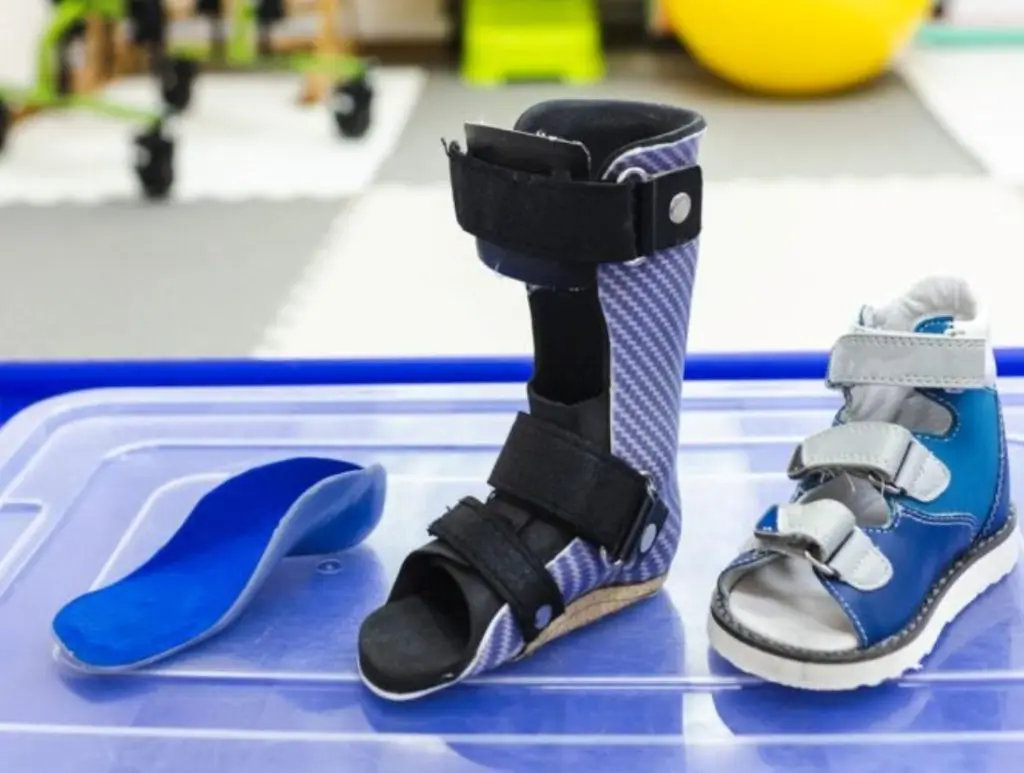
Serial Casting or Bracing
In some cases, we use orthotics or gentle casting techniques to gradually stretch tight tendons and promote a more natural walking pattern.
Sensory Integration Support
Toe walking isn’t always physical—it can be sensory-driven. Some children seek the extra input they get from walking on their toes. That’s why we often collaborate closely with our Occupational Therapy team to address underlying sensory needs.
Strengthening Exercises
Weak core and hip muscles can cause children to rely too much on their calves. We design fun, play-based exercises that build strength where it’s needed most.
This combination helps children develop a more stable, efficient, and pain-free gait.
We often collaborate with Pediatric Occupational Therapy Team to address the sensory side of toe walking.
Neurological Conditions (Cerebral Palsy & Hypotonia)
For children with neurological conditions, movement can feel challenging—but it doesn’t have to be limiting.
Conditions like Cerebral Palsy (CP), Spina Bifida, or Hypotonia (low muscle tone) affect how the brain communicates with the body. This can impact strength, coordination, balance, and posture.
Our goal is simple yet powerful: maximize independence and improve quality of life.
How We Treat It
Neuro-Developmental Treatment (NDT)
This hands-on approach helps children experience what “normal” movement feels like. By guiding their bodies through functional patterns, we help retrain the brain and improve motor control.
Aquatic Therapy
Water creates a unique environment where children can move more freely. The buoyancy reduces the effects of gravity, making it easier to stand, walk, and explore movements that might be difficult on land.
Adaptive Equipment
From walkers to standers and wheelchairs, we carefully assess and fit equipment that empowers children to move independently and safely.
What makes this approach so effective is that it focuses on what the child can do—and builds from there.
Discover how our Pediatric Aquatic Therapy Services help children move freely in the water.
Developmental Delays (The “Late Bloomer”)
Every child develops at their own pace—but sometimes, delays in milestones can signal the need for extra support.
If your child isn’t rolling, sitting, crawling, or walking within expected timeframes, it doesn’t necessarily mean something is wrong. However, early guidance can make a significant difference.
How We Treat It
Milestone Facilitation
We break complex skills into smaller, manageable steps. For example, before walking comes standing, cruising, and weight shifting. Each step builds toward the next.
Core Strengthening
The core is the foundation of all movement. Without a strong base, even simple tasks can feel difficult. We incorporate playful activities that strengthen these essential muscles.
Balance & Coordination Training
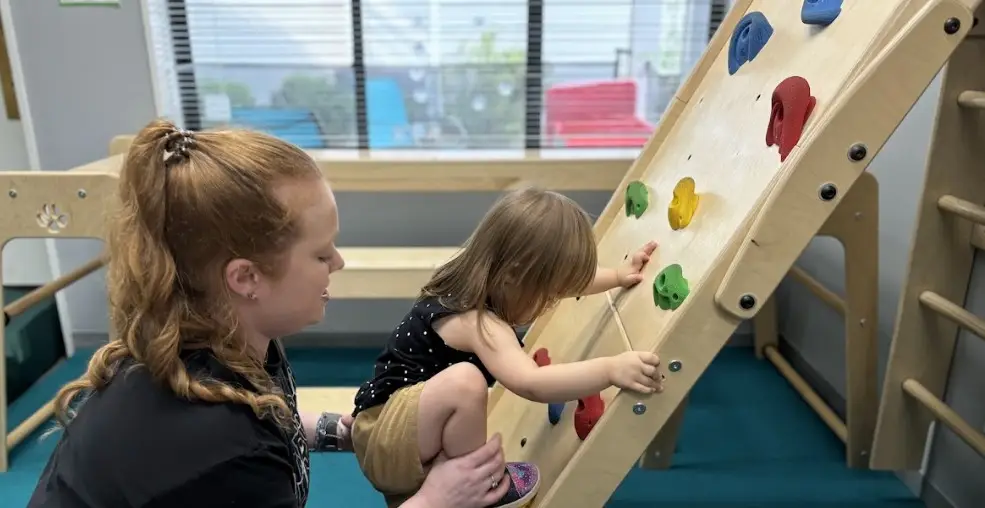
Through obstacle courses, balance beams, and interactive games, we help children improve stability and confidence in their movements.
The result? Children begin to catch up, gain confidence, and enjoy movement instead of avoiding it.
Not sure if your child is behind? Check our Pediatric Milestones Guide.
Orthopedic Injuries & Sports Medicine
As children grow, they become more active—whether it’s playground fun, organized sports, or simply running around with friends. With that activity comes the risk of injuries like sprains, fractures, or post-surgical recovery needs.
Pediatric Physical Therapy ensures that recovery is not just quick—but also safe and complete.
How We Treat It
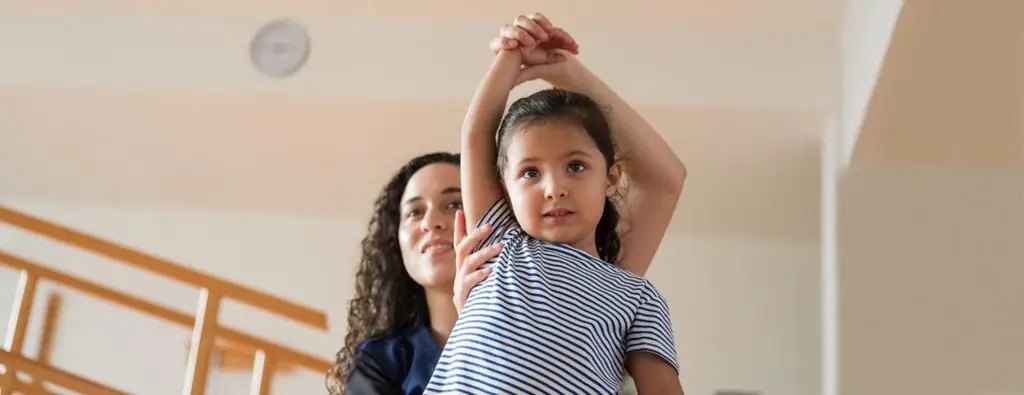
Therapeutic Exercise
We design age-appropriate strengthening programs that help children return to their favorite activities with confidence.
Pain Management Techniques
Using manual therapy and targeted interventions, we reduce swelling, improve mobility, and ease discomfort.
Our focus isn’t just on healing the injury—it’s on preventing future ones by improving strength, flexibility, and movement patterns.
Conclusion: Movement is Medicine
From a baby with a tight neck to a teenager recovering from a sports injury, movement plays a vital role in every stage of a child’s development.
The right techniques—applied at the right time—can transform challenges into milestones.
At Therapy Smarts, we understand that physical development doesn’t exist in isolation. It affects how children play, learn, communicate, and interact with the world around them. That’s why we take a multidisciplinary approach, offering Physical Therapy, Occupational Therapy, and Speech Therapy under one roof.
Because when we support the whole child, we unlock their full potential.
Is your child struggling to keep up? Let’s get them moving
Contact Therapy Smarts today to schedule a Physical Therapy or Pediatric Occupational Therapy evaluation in our Durham Therapy Clinic or Chapel Hill Therapy Location—and take the first step toward confident, joyful movement.