Caring for a child with Cerebral Palsy (CP) can be challenging — but the right therapies can make a world of difference. While CP itself cannot be “cured,” timely and consistent therapy can significantly improve a child’s mobility, independence, communication, and overall quality of life.
Therapy for Cerebral Palsy is almost always multidisciplinary — blending physical, occupational, and speech-language therapy depending on the child’s needs.
In this guide, we explain how each therapy works, why they matter, and what parents should know to help their child reach their full potential.
Physical Therapy (PT): Building Mobility, Strength & Preventing Muscle Tightness
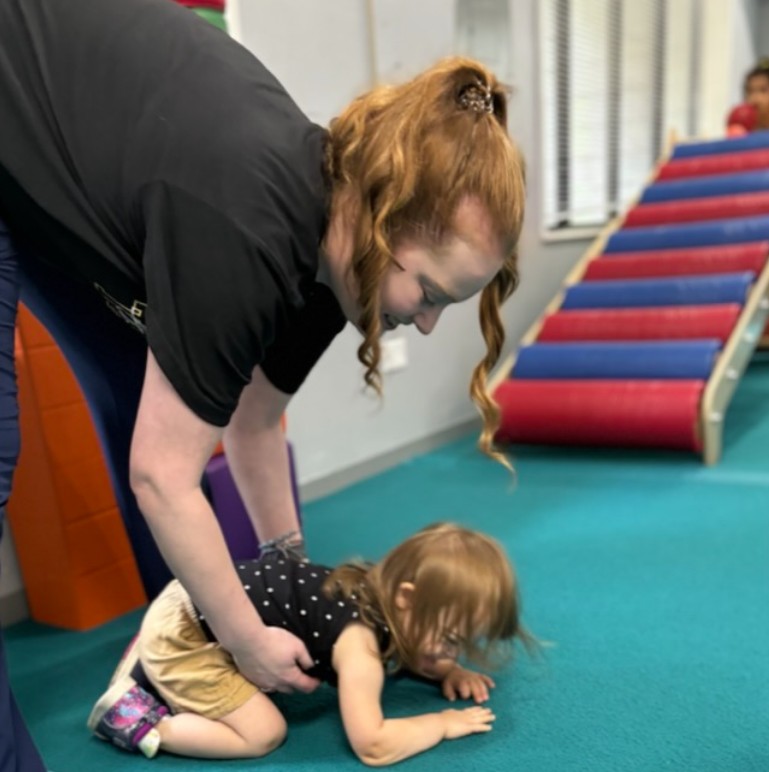
Physical therapy is often the first line of treatment for children with CP.
What PT aims to achieve
- Improve gross motor skills, such as sitting, crawling, standing, walking, or using a wheelchair.
- Increase muscle strength, flexibility, balance, coordination, and posture.
- Prevent or reduce muscle stiffness and contractures (tight joints), which over time can cause pain or deformities.
- Enhance overall mobility and independence in daily movement.
How PT works
Therapists design customised exercise plans based on a child’s unique needs, considering which muscles, limbs, or movements are affected.
Typical interventions may include:
- Stretching and flexibility exercises to reduce spasticity or tightness.
- Strength training and resistance exercises to build muscle tone and control.
- Gait training, balance work, coordination, and posture training. Use of assistive devices or orthoses (braces, casts, specialized footwear), if needed, to support walking or posture.
Why PT matters early
Starting PT soon after diagnosis — ideally in early childhood — often yields the best results. Early intervention helps shape muscle growth and motor development during critical windows of growth.
Early and regular therapy can reduce long-term complications like deformities, contractures, or joint problems.
Occupational Therapy (OT): Building Fine Motor Skills & Independence in Daily Life
While PT focuses on large muscle groups and mobility, Occupational Therapy helps a child with CP manage the everyday tasks that many of us take for granted.
What OT addresses
- Fine motor skills — using hands and fingers to grasp, hold, write, feed themselves, manage buttons, zippers, and more.
- Activities of Daily Living (ADLs): dressing, bathing, feeding, grooming, and other personal care tasks.
- Hand-eye coordination, posture, upper-body control, and use of adaptive or assistive equipment (if needed).
- Helping children participate in school, play, and social activities — improving both physical and cognitive/ sensory-perceptual abilities.
How OT works
At the first session, an occupational therapist typically performs a detailed assessment: evaluating a child’s fine motor skills, sensory processing, perceptual, and possibly cognitive abilities.
Based on that, they create a personalized treatment plan. This plan may involve:
- Functional tasks (dressing, feeding, writing, etc.) are practiced repeatedly to build muscle memory and coordination.
- Constraint-induced movement therapy (CIMT) for children with limitations on one side (e.g., hemiplegia) — to encourage greater use of weaker limbs.
- Adaptive equipment or modifications (special utensils, seating, writing aids, orthoses) to enable easier participation in daily tasks.
Benefits of OT for the child and family
- Helps children become more independent in daily tasks — which boosts their confidence and self-esteem.
- Supports their participation in school and social life — important for development, learning, and emotional growth.
- Eases the burden on caregivers — over time, the child may need less direct help for routine tasks.
Speech-Language Therapy (SLP): Supporting Communication & Feeding
Many children with CP face challenges not just in movement but also in communication and feeding, due to difficulties with muscle control in the mouth and throat. This is where Speech and Language Therapy comes in.
What SLP addresses
- Speech clarity, pronunciation, communication skills — enabling the child to express themselves effectively.
- Language skills: understanding, forming sentences, using gestures or alternative communication, when verbal speech is difficult or limited.
- Oral-motor control — important for chewing, swallowing, breathing, and preventing or managing swallowing difficulties (dysphagia), drooling, or choking risk.
How SLP works
Speech-language therapists assess the child’s communication and feeding/swallowing abilities and create individualized therapy plans.
Therapy may include:
- Mouth, lips, and tongue exercises to improve muscle strength and control.
- Language and communication training: from basic sounds and syllables to words, sentences, and social communication.
- Alternative communication methods (if verbal speech is limited) — e.g., sign language, picture boards, augmentative communication devices.
- Swallowing therapy for children with feeding difficulties — making eating safer, reducing choking risk, improving nutrition.
The importance of SLP
Communication is fundamental for learning, social interaction, self-expression, and dignity. For many children with CP, speech-language therapy is a lifeline toward greater participation in family, school, and community life. Moreover, improving swallowing and feeding reduces health risks, improves nutrition, and supports growth and development.
Why a Combined, Individualized Approach Matters
Every child with CP is different — motor skills, muscle tone, cognitive ability, communication, and daily needs vary widely. That’s why therapy must be tailor-made, integrating PT, OT, and SLP as needed.
- A combined therapy plan can address gross motor issues (walking, posture), fine motor and daily tasks (eating, dressing), and communication/feeding/swallowing challenges — maximizing independence and development.
- Regular evaluation and adjustments help the plan evolve as the child grows, preventing complications like contractures, deformities, or decline in function.
- Early intervention — often in infancy or toddlerhood — gives children a better chance at improvement, because their nervous and musculoskeletal systems are still developing.
What Parents Should Know & Do
As a parent or caregiver, you play a critical role. Here are some practical tips:
- Seek early diagnosis and intervention. Therapies started young can have a greater impact.
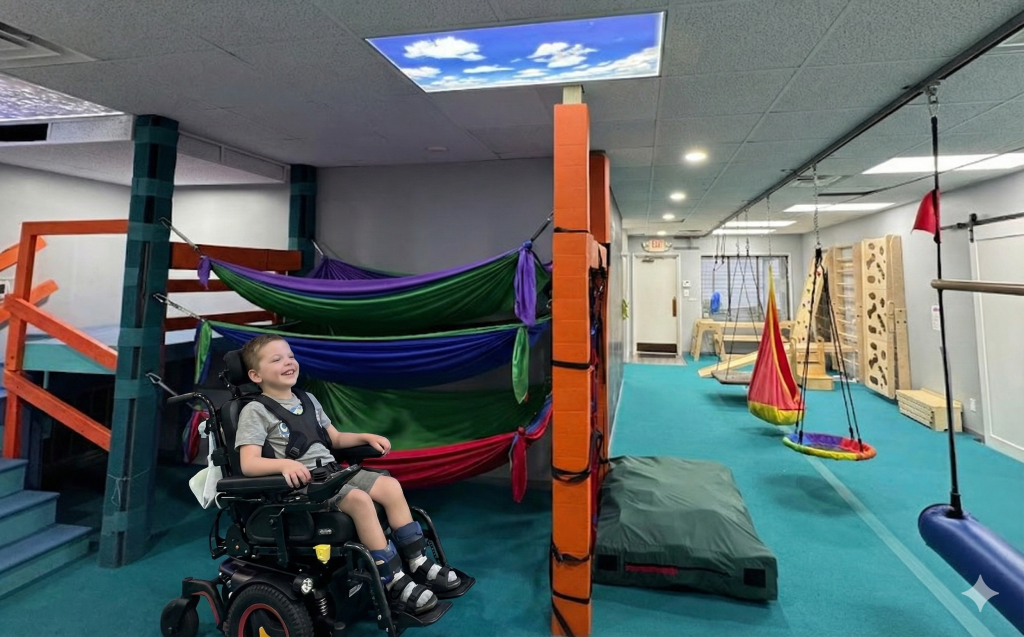
- Work with a multidisciplinary team — physical therapist, occupational therapist, and speech-language therapist. For Example: PT + OT: An OT might use sensory integration techniques (like a swing) to regulate a child’s nervous system, calming them enough to focus on a challenging PT balance exercise.
- Ensure consistency. Regular therapy sessions and follow-up exercises at home help maintain gains and progress.
- Set realistic but meaningful goals. Focus on functional improvements — e.g., walking, sitting, self-feeding, communication — that offer independence and dignity.
- Advocate for inclusive education and social opportunities. With therapy, many children with CP can attend school, play, learn, and lead fulfilling lives.
Therapy Gives Hope, Function, and Independence
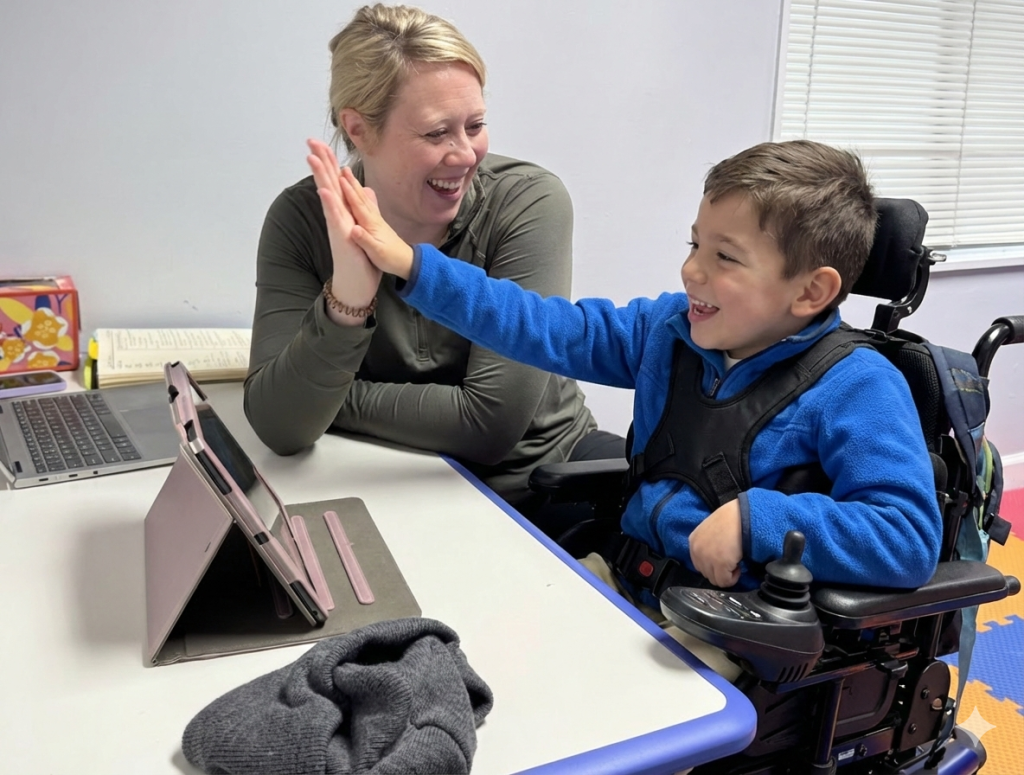
While CP cannot be “cured,” therapies like physical therapy, occupational therapy, and speech-language therapy can transform the lives of children affected by it. From standing to walking, from dressing to feeding, from silence to communication — therapy helps unlock potential.
You Don’t Have to Walk This Path Alone
Navigating Cerebral Palsy requires a village, and at Therapy Smarts, we are ready to be yours. Whether your child needs support with mobility, daily living skills, or communication, our integrated team of Physical, Occupational, and Speech Therapists works together to create a cohesive plan tailored to their unique strengths.
Don’t manage multiple clinics and disjointed care. Contact Therapy Smarts today to schedule a comprehensive evaluation at our Durham or Chapel Hill locations and see how our multidisciplinary approach turns challenges into triumphs.