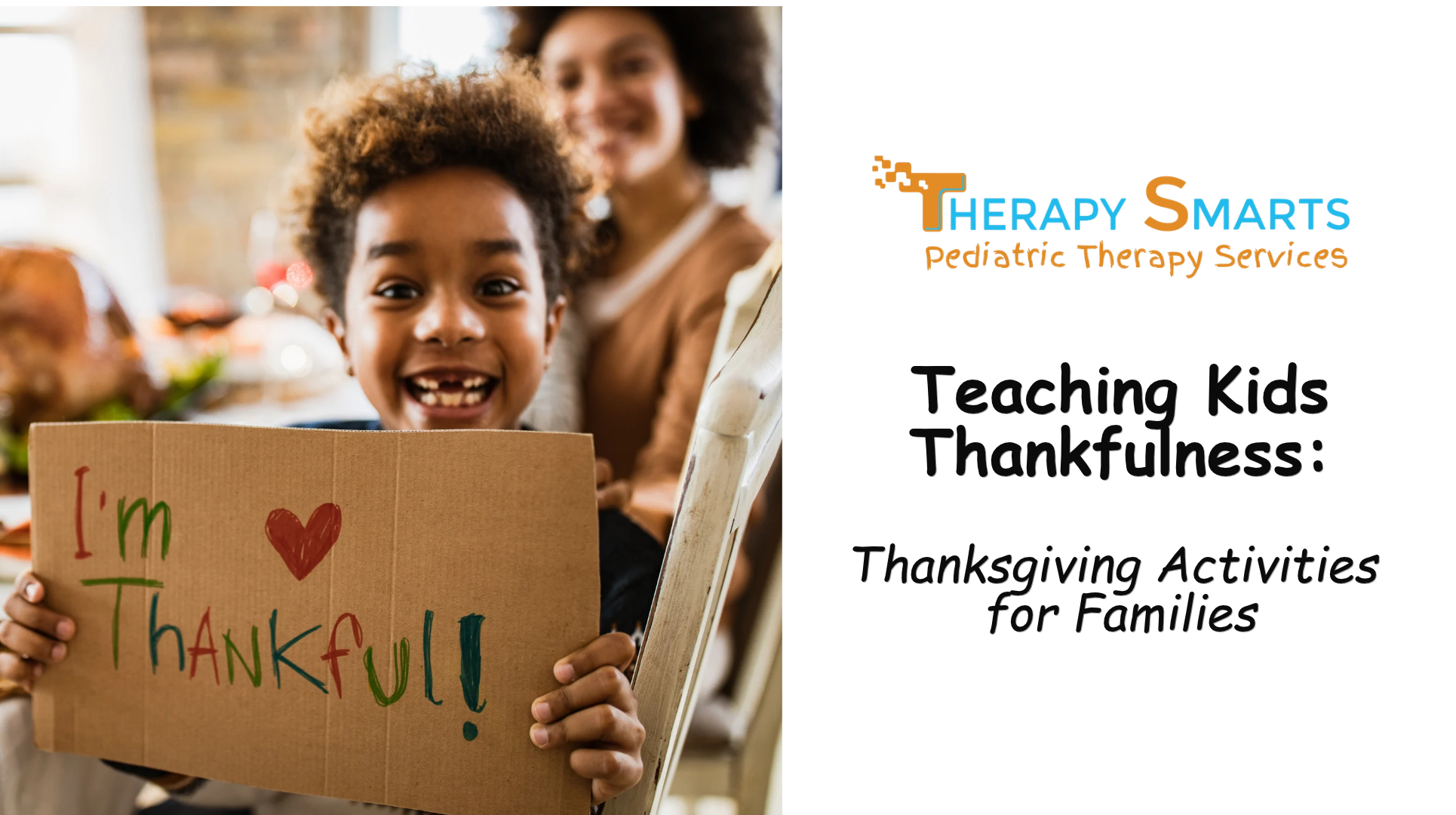
Simple ways to help your child understand gratitude, show appreciation, and make meaningful Thanksgiving memories as a family.
Thanksgiving is almost here! Between planning meals, grocery shopping, school activities, and figuring out where everyone will sit around the dinner table, it’s easy to get caught up in the holiday rush. But as parents, Thanksgiving also gives us something pretty special: an opportunity to slow down and teach our children about thankfulness.
We often remind our kids to say “please” and “thank you,” but have you ever stopped to wonder if they really understand what it means to be thankful? For young children, gratitude can be a big concept to understand. The good news? We don’t need a fancy lesson plan or a perfectly planned activity to teach it. Sometimes, the smallest moments make the biggest impact.
What Does It Mean to Be Thankful? Explaining Gratitude to Young Children
If you’ve ever asked your child, “What are you thankful for?” and received an answer like “my dinosaurs,” “mac and cheese,” or “the TV,” you’re not alone! Children see the world differently than adults, and that’s part of what makes parenting so much fun. When explaining thankfulness to a young child, keep it simple. You might say:
“Being thankful means feeling happy about the people and things that make our lives special. It’s noticing when someone does something kind for us and showing them that we appreciate it.”
For younger children, try using everyday examples:
“When Grandma gives you a big hug, you can be thankful for her love.”
“When your teacher helps you learn something new, you can thank them for helping you.”
“When your friend shares a toy, you can show them you’re thankful by sharing something too.”
“When someone makes you dinner, you can say thank you for taking care of me.”
The goal isn’t to make children feel obligated to be grateful. It’s to help them recognize kindness, love, and the people who support them. And remember, children learn best by watching us. When they hear us thanking the grocery store cashier, a teacher, or someone holding the door, they’re learning what gratitude looks like in everyday life.
7 Simple Ways to Show Thankfulness This Thanksgiving Week
Thanksgiving isn’t just about what we say around the dinner table. It’s about what we do for others. Here are seven simple, family-friendly ways to practice gratitude this coming week.
1. Thank a Teacher or Therapist
Think about the people who help your child learn, grow, and accomplish new things. Have your child draw a picture or make a homemade thank-you card for their teacher, speech therapist, occupational therapist, physical therapist, or another special person. Even a simple drawing with the words “Thank you for helping me!” can brighten someone’s day.
2. Make a Phone Call to Someone Special
Grandparents, aunts, uncles, and family friends love hearing from little ones. Set aside a few minutes to call someone and let your child tell them why they’re special. If your child needs a little help, try prompting them with, “What’s something you love doing with Grandma?” Sometimes, hearing “I love when you read books with me” means more than any store-bought gift.
3. Thank Someone Who Helps Your Community
From delivery drivers and firefighters to librarians and grocery store employees, so many people work hard to make our communities better. Encourage your child to say thank you to someone who helps your family this week. You can even create a small thank-you card together.
4. Share Something With Someone Else
Have your child help select a gently used toy or book to donate, or let them choose a few nonperishable food items for a local food pantry. Talk about how sharing can help another family feel cared for. For younger children, keep the explanation simple: “We have something that might make another person happy. Let’s share!”
5. Help Around the House Without Being Asked
Thankfulness can also be shown through actions. Encourage your child to help set the Thanksgiving table, fold napkins, put away toys, or help a sibling. You might say, “When we help each other, we’re showing that we care about our family.”
6. Give Someone a Compliment
Challenge your family to say one kind thing to someone each day.
It could be:
“I love playing with you!”
“Thank you for making breakfast.”
“You’re a really good friend.”
“I love when you help me.”
Teaching children to notice the good in others is a wonderful way to build kindness and empathy.
7. Start a Family Thankfulness Tradition
At dinner each night this week, ask everyone to share one thing they’re thankful for. Some nights, the answers might be heartfelt. Other nights, your child might be thankful for chicken nuggets. Both are perfectly okay. What matters is creating a space where everyone feels comfortable sharing.
ABOUT THERAPY SMARTS
Through play therapy, exploration of their environment, and joyful engagement- Therapy Smarts of Durham and Chapel Hill help improve your child’s communication, motor, behavior, & social skills. Click below to learn more about our services.
JOIN OUR TEAM
Are you a pediatric therapist looking to grow your career with a supportive, innovative team? Join Therapy Smarts of Durham and Chapel Hill — recently ranked #1,792 on Inc. Magazine’s 2025 Inc. 5000 list of fastest-growing companies in America!
We’re passionate about helping children thrive — and helping our team members do the same. Apply today!